

Views: 380 Author: Lasting Titanium Publish Time: 2025-05-11 Origin: Site


Content Menu
● Understanding Titanium and Its Properties
● Main Challenges in Welding Titanium Flat Bars
>> 1. Contamination from Atmospheric Gases
>>> Solutions:
>>> Solutions:
>>> Solutions:
>> 4. Cracking in the Heat-Affected Zone
>>> Solutions:
>> 5. Equipment and Technique Limitations
>>> Solutions:
● Best Practices for Welding Titanium Flat Bars
>> 1. Use of Inert Gas Shielding
>> 4. Implement Proper Welding Techniques
>> 5. Conduct Post-Weld Inspections
>> 1. What is the best welding method for titanium flat bars?
>> 2. How can I prevent contamination during welding?
>> 3. What are the common defects in titanium welding?
>> 4. Is preheating necessary for welding titanium?
>> 5. How can I improve the quality of my titanium welds?
Welding titanium flat bars presents a unique set of challenges that require specialized knowledge and techniques. Titanium is a highly reactive metal, which makes it difficult to weld without introducing defects. This article explores the main challenges faced during the welding of titanium flat bars, the techniques used to overcome these challenges, and the importance of proper practices in ensuring high-quality welds.
Titanium is known for its high strength-to-weight ratio, corrosion resistance, and ability to withstand extreme temperatures. These properties make it an ideal material for various applications, including aerospace, medical devices, and marine environments. However, these same properties also contribute to the difficulties encountered during the welding process. Understanding the fundamental characteristics of titanium is crucial for anyone involved in its fabrication and welding.
- Reactivity: Titanium reacts with oxygen, nitrogen, and hydrogen at elevated temperatures, which can lead to contamination and defects in the weld. This reactivity necessitates a controlled environment during welding to prevent the formation of brittle phases that can compromise the integrity of the weld.
- Low Thermal Conductivity: This property results in wider weld beads and can complicate heat management during the welding process. The low thermal conductivity means that heat does not dissipate quickly, leading to localized overheating, which can alter the microstructure of the titanium and affect its mechanical properties.
- High Melting Point: Titanium has a melting point of approximately 1,668°C (3,034°F), which requires careful temperature control during welding. The high melting point also means that specialized equipment is often necessary to achieve the required temperatures without damaging the material.
One of the most significant challenges in welding titanium flat bars is preventing contamination from atmospheric gases, particularly oxygen and nitrogen. When titanium is exposed to these gases during the welding process, it can lead to embrittlement and cracking in the weld area. This is particularly problematic because even small amounts of contamination can have a dramatic effect on the mechanical properties of the weld.
- Inert Gas Shielding: Using inert gases such as argon or helium to shield the weld area is essential. This can be achieved through techniques like gas tungsten arc welding (GTAW) or gas metal arc welding (GMAW). The inert gas creates a protective atmosphere that prevents reactive gases from coming into contact with the molten weld pool.
- Purge Techniques: Implementing purge techniques to create an inert atmosphere around the entire workpiece can help minimize exposure to atmospheric gases. This involves filling the welding chamber with inert gas before starting the welding process, ensuring that the titanium flat bars are completely shielded from the environment.
Due to titanium's low thermal conductivity, managing heat during the welding process is crucial. Excessive heat can lead to distortion, warping, and changes in the material properties of the titanium flat bars. Proper heat management is essential not only for the quality of the weld but also for maintaining the dimensional accuracy of the components being welded.
- Short Arc Lengths: Maintaining short arc lengths can help control the heat input and minimize the heat-affected zone (HAZ). A shorter arc length reduces the amount of heat transferred to the base material, which helps prevent overheating and distortion.
- Chill Bars: Using chill bars or clamps can help dissipate heat more effectively, reducing the risk of warping. These devices absorb excess heat from the weld area, allowing for better control over the thermal profile of the weld.
Weld porosity is a common defect in titanium welding, often caused by trapped gases within the weld pool. This defect can significantly weaken the weld and compromise the integrity of the final product. Porosity can lead to reduced fatigue strength and overall performance of the welded component, making it critical to address this issue during the welding process.
- Proper Cleaning: Ensuring that the surfaces to be welded are clean and free from contaminants is vital. This includes removing any oxides, oils, or moisture. A clean surface allows for better fusion between the base materials and reduces the likelihood of gas entrapment.
- Controlled Welding Environment: Conducting the welding process in a controlled environment can help reduce the risk of porosity. This may involve using a dedicated welding booth with controlled humidity and temperature to minimize the introduction of moisture and other contaminants.
Cracking can occur in the heat-affected zone (HAZ) of titanium flat bars due to rapid cooling and the formation of brittle microstructures. This is particularly problematic in thicker sections of titanium, where the thermal gradients can be more pronounced. Understanding the factors that contribute to cracking is essential for developing effective mitigation strategies.
- Preheating: Preheating the titanium flat bars before welding can help reduce thermal gradients and minimize the risk of cracking. By raising the temperature of the base material, the cooling rate can be controlled, which helps maintain the integrity of the microstructure.
- Post-Weld Heat Treatment: Implementing post-weld heat treatment can help relieve residual stresses and improve the overall toughness of the weld. Heat treatment processes such as annealing can restore ductility and reduce the likelihood of cracking in the HAZ.
Welding titanium requires specialized equipment and techniques that may not be readily available in all welding shops. The need for precise control over the welding parameters can also pose challenges. Inadequate equipment can lead to poor-quality welds and increased risk of defects.
- Investing in Specialized Equipment: Utilizing equipment designed specifically for titanium welding, such as high-frequency TIG welders, can improve the quality of the welds. These machines provide better control over the welding process and can accommodate the unique properties of titanium.
- Training and Expertise: Ensuring that welders are trained in titanium welding techniques is crucial for achieving high-quality results. Continuous education and hands-on training can help welders develop the skills necessary to navigate the complexities of titanium welding effectively.
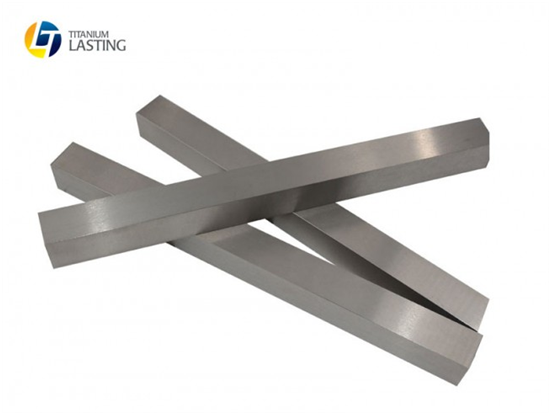
To overcome the challenges associated with welding titanium flat bars, it is essential to follow best practices that ensure high-quality welds. Here are some recommended practices:
Always use inert gas shielding to protect the weld area from contamination. Ensure that the shielding gas flow is adequate and consistent throughout the welding process. Regularly check for leaks in the gas supply system to maintain a stable protective atmosphere.
Keep the work area and materials clean. Use appropriate cleaning methods, such as solvent cleaning or mechanical abrasion, to remove contaminants from the titanium flat bars before welding. Implementing a strict cleaning protocol can significantly reduce the risk of defects in the final weld.
Monitor and control the heat input during welding to prevent overheating and distortion. Use techniques such as short arc lengths and chill bars to manage heat effectively. Additionally, consider using a multi-pass welding technique to distribute heat more evenly across the weld area.
Utilize appropriate welding techniques, such as stringer beads or weaving patterns, to control the weld pool and minimize defects. Ensure that the welding speed is consistent to avoid overheating. Adjusting the travel speed and electrode angle can also help achieve better penetration and fusion.
After welding, conduct thorough inspections to identify any defects, such as porosity or cracking. Non-destructive testing methods, such as ultrasonic testing or dye penetrant inspection, can be useful in detecting hidden defects. Regular inspections help ensure that the welded components meet the required specifications and standards.
Welding titanium flat bars presents several challenges, including contamination, heat management, weld porosity, cracking, and equipment limitations. By understanding these challenges and implementing best practices, welders can achieve high-quality welds that meet the stringent requirements of various applications. The importance of proper shielding, cleanliness, and heat control cannot be overstated in ensuring the integrity of titanium welds. As industries continue to demand high-performance materials, mastering the art of titanium welding will remain a critical skill for fabricators and welders alike.
The best welding method for titanium flat bars is gas tungsten arc welding (GTAW) due to its ability to provide precise control over the heat input and shielding gas.
To prevent contamination, use inert gas shielding, maintain a clean work environment, and ensure that the surfaces to be welded are free from contaminants.
Common defects in titanium welding include porosity, cracking in the heat-affected zone, and lack of fusion.
Preheating is not always necessary but can be beneficial for thicker sections of titanium to reduce the risk of cracking.
Improving the quality of titanium welds can be achieved by using proper welding techniques, maintaining cleanliness, controlling heat input, and conducting thorough inspections post-welding.


