

Views: 333 Author: Lasting Titanium Publish Time: 2024-11-13 Origin: Site


Content Menu
● Introduction to Titanium and Tungsten Alloys
● Properties of Titanium and Tungsten Alloys
● Applications of Titanium and Tungsten Alloys
● Advantages of Titanium and Tungsten Alloys
>> High Strength-to-Weight Ratio
>> Versatility
● Challenges in Working with Titanium and Tungsten Alloys
● Future Trends in Titanium and Tungsten Alloys
>> Advancements in Manufacturing Techniques
>> Increased Demand in Emerging Industries
>> What are the main benefits of using titanium and tungsten alloys?
>> In which industries are titanium and tungsten alloys commonly used?
>> What challenges are associated with machining titanium and tungsten alloys?
>> How do titanium and tungsten alloys compare to other metals?
>> What is the future outlook for titanium and tungsten alloys?
Titanium and tungsten alloys represent a fascinating intersection of materials science, combining the unique properties of two of the most robust metals known to man. Titanium, known for its lightweight and corrosion-resistant characteristics, pairs with tungsten, which boasts exceptional hardness and density. This article delves into the properties, applications, and advantages of titanium and tungsten alloys, providing a thorough understanding of their significance in various industries. The synergy between these two metals not only enhances their individual properties but also opens up new possibilities for innovative applications across multiple fields.
Titanium is renowned for its low density and high strength-to-weight ratio, making it an ideal choice for applications where weight is a critical factor. It has a melting point of approximately 1,668 degrees Celsius and exhibits excellent corrosion resistance, particularly in harsh environments. This makes titanium a preferred material in industries such as aerospace and marine engineering, where exposure to extreme conditions is common. On the other hand, tungsten is one of the heaviest metals, with a melting point of about 3,422 degrees Celsius, making it incredibly durable and resistant to wear. Its high density and hardness make tungsten an excellent choice for applications requiring materials that can withstand significant mechanical stress.
When combined, titanium and tungsten alloys inherit the best of both worlds. The resulting material is not only lightweight but also possesses remarkable strength and hardness. This combination makes titanium and tungsten alloys suitable for high-stress applications, such as aerospace components and military equipment. The ability to tailor the alloy's composition allows engineers to optimize its properties for specific applications, further enhancing its utility in demanding environments.
The mechanical properties of titanium and tungsten alloys are impressive. They exhibit high tensile strength, which is crucial for applications that require materials to withstand significant forces without deforming. The hardness of tungsten contributes to the overall durability of the alloy, making it resistant to scratches and wear. This is particularly important in industries where equipment is subject to frequent use and harsh conditions. Additionally, the alloy's elasticity allows it to absorb shocks and impacts, further enhancing its performance in demanding environments. This combination of strength, hardness, and elasticity makes titanium and tungsten alloys ideal for applications in automotive, aerospace, and heavy machinery sectors.
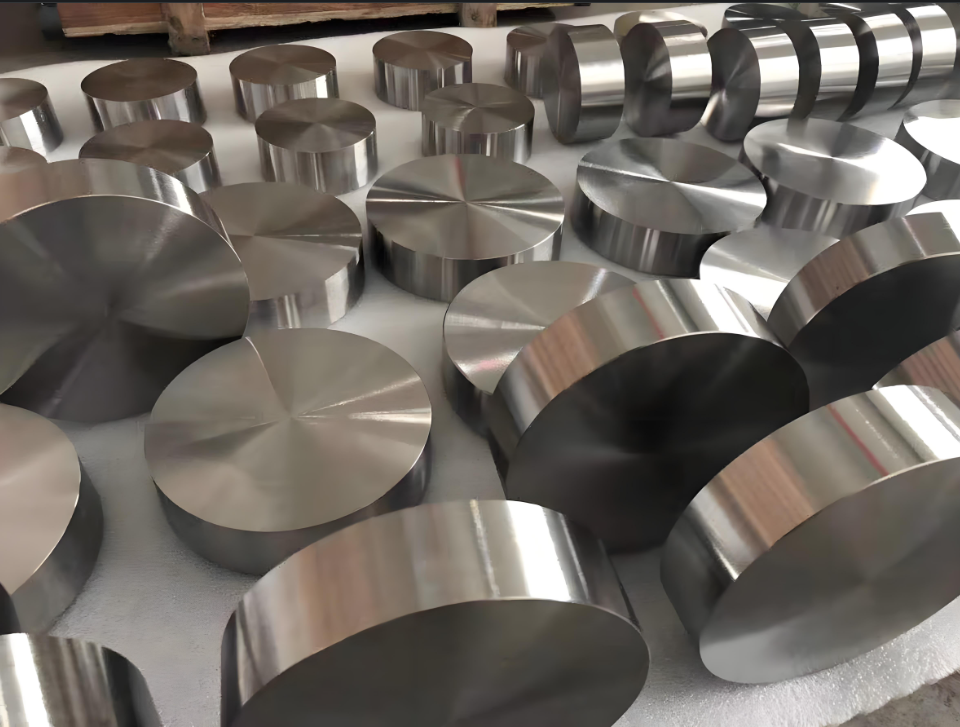
In the aerospace sector, titanium and tungsten alloys are utilized for their lightweight and high-strength characteristics. Components such as aircraft frames, engine parts, and landing gear benefit from the alloy's ability to withstand extreme temperatures and pressures. The use of these alloys helps reduce the overall weight of aircraft, leading to improved fuel efficiency and performance. Furthermore, the corrosion resistance of titanium ensures that components maintain their integrity over time, reducing the need for frequent maintenance and replacements. As the aerospace industry continues to push the boundaries of performance and efficiency, the demand for advanced materials like titanium and tungsten alloys is expected to grow.
The medical field also takes advantage of titanium and tungsten alloys, particularly in the manufacturing of surgical instruments and implants. Titanium's biocompatibility makes it an excellent choice for implants, while tungsten's strength ensures that surgical tools can withstand repeated use without degradation. This combination enhances the longevity and reliability of medical devices. For instance, titanium is commonly used in dental implants and orthopedic devices, where its ability to integrate with bone tissue is crucial for successful outcomes. The durability of tungsten also makes it suitable for high-precision surgical instruments, where maintaining sharpness and structural integrity is essential.
Military applications often require materials that can endure harsh conditions while maintaining structural integrity. Titanium and tungsten alloys are used in armor plating, weaponry, and other defense-related equipment. Their ability to resist corrosion and wear makes them ideal for use in environments where exposure to the elements is a concern. Additionally, the lightweight nature of titanium allows for the development of advanced military vehicles and equipment that can operate effectively in various terrains. As military technology evolves, the need for materials that offer both strength and weight savings will continue to drive the adoption of titanium and tungsten alloys.
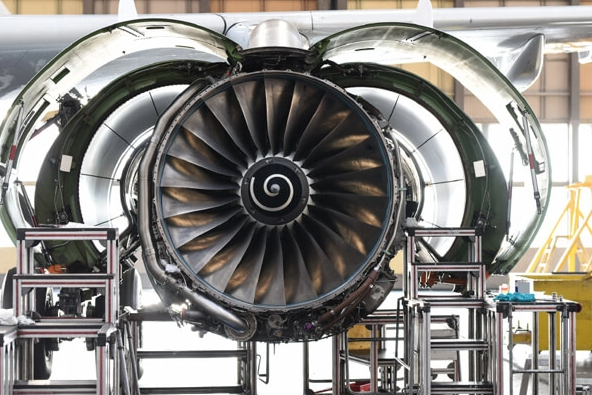
One of the standout features of titanium and tungsten alloys is their exceptional resistance to corrosion. This property is particularly beneficial in industries such as marine and chemical processing, where materials are frequently exposed to corrosive substances. The alloy's ability to resist degradation extends its lifespan and reduces maintenance costs. In marine applications, for example, components made from titanium and tungsten alloys can withstand the harsh conditions of saltwater environments, ensuring reliability and performance over time. This corrosion resistance not only enhances the durability of the materials but also contributes to the overall safety and efficiency of the systems in which they are used.
The combination of titanium's lightweight nature and tungsten's strength results in an alloy that offers an excellent strength-to-weight ratio. This characteristic is crucial in applications where reducing weight without sacrificing strength is essential, such as in aerospace and automotive industries. By utilizing titanium and tungsten alloys, manufacturers can create components that are both lightweight and capable of withstanding high loads, leading to improved performance and fuel efficiency. This advantage is particularly important in the design of modern aircraft and vehicles, where every gram counts in terms of performance and efficiency.
Titanium and tungsten alloys are versatile materials that can be tailored to meet specific requirements. By adjusting the composition and processing methods, manufacturers can create alloys with varying properties, making them suitable for a wide range of applications. This versatility allows for the development of specialized materials that can meet the unique demands of different industries, from aerospace to medical devices. As research and development in materials science continue to advance, the potential for new applications and innovations using titanium and tungsten alloys is vast.
While titanium and tungsten alloys offer numerous advantages, they also present challenges during machining. Tungsten, in particular, is difficult to machine due to its hardness, which can lead to increased wear on cutting tools. Manufacturers must employ specialized techniques and equipment to effectively work with these materials. This can result in higher production costs and longer lead times, which may deter some manufacturers from using these alloys. However, advancements in machining technologies and techniques are continually improving the efficiency and effectiveness of working with titanium and tungsten alloys.
The cost of titanium and tungsten alloys can be higher than that of traditional metals. This factor may limit their use in certain applications, particularly where budget constraints are a concern. However, the long-term benefits of using these alloys often outweigh the initial investment. The durability and performance of titanium and tungsten alloys can lead to reduced maintenance costs and longer service life, making them a cost-effective choice in the long run. As the demand for high-performance materials continues to grow, the market for titanium and tungsten alloys is expected to expand, potentially leading to more competitive pricing.
As technology continues to evolve, advancements in manufacturing techniques are expected to enhance the production of titanium and tungsten alloys. Techniques such as additive manufacturing and advanced welding methods may allow for more efficient and cost-effective production processes. These innovations could lead to the development of new alloy compositions and structures that further improve performance characteristics. Additionally, the integration of automation and digital technologies in manufacturing processes may streamline production and reduce costs, making titanium and tungsten alloys more accessible to a wider range of industries.
The demand for titanium and tungsten alloys is likely to grow in emerging industries, such as renewable energy and electric vehicles. As these sectors seek materials that offer high performance and sustainability, titanium and tungsten alloys will play a crucial role in meeting these needs. For instance, the lightweight and durable nature of these alloys makes them ideal for use in wind turbine components and electric vehicle batteries. As the world shifts towards more sustainable practices, the versatility and performance of titanium and tungsten alloys will be increasingly recognized and utilized.
Titanium and tungsten alloys represent a remarkable fusion of properties that make them invaluable in various industries. Their unique combination of strength, lightweight nature, and corrosion resistance positions them as materials of choice for applications ranging from aerospace to medical devices. As technology advances and demand increases, the future of titanium and tungsten alloys looks promising, paving the way for innovative applications and solutions. The ongoing research and development in this field will likely lead to new discoveries and enhancements, further solidifying the role of titanium and tungsten alloys in modern engineering and manufacturing.
The main benefits include high strength-to-weight ratio, excellent corrosion resistance, and versatility in applications across various industries. These properties make them ideal for demanding environments where performance and reliability are critical.
They are commonly used in aerospace, medical devices, and military applications due to their durability and performance under extreme conditions. Their unique properties allow them to excel in applications where traditional materials may fail.
Machining these alloys can be difficult due to their hardness, which can lead to increased wear on cutting tools and requires specialized techniques. Manufacturers must invest in advanced machining technologies to effectively work with these materials.
Titanium and tungsten alloys offer superior strength and corrosion resistance compared to many traditional metals, making them ideal for high-performance applications. Their unique properties allow for innovative designs and solutions in various industries.
The future outlook is positive, with advancements in manufacturing techniques and increased demand in emerging industries expected to drive growth and innovation. As technology evolves, the potential for new applications and enhancements in titanium and tungsten alloys will continue to expand.


