

Views: 280 Author: Lasting Titanium Publish Time: 2024-10-15 Origin: Site


Content Menu
● Introduction to Titanium Sheet Cutting
● Understanding Titanium Properties
>> Unique Characteristics of Titanium
>> Challenges in Cutting Titanium Sheet
● Cutting Techniques for Titanium Sheet
>>> Laser Cutting Titanium Sheet
>>> Plasma Cutting Titanium Sheet
>>> Waterjet Cutting Titanium Sheet
● Best Practices for Cutting Titanium Sheet
>> Tool Selection and Maintenance
>> Cutting Parameters and Techniques
>> Cooling and Lubrication Strategies
● Applications of Titanium Sheet Cutting
>> Chemical Processing Industry
● Emerging Technologies in Titanium Sheet Cutting
>> Additive Manufacturing and Hybrid Processes
>> Advanced Control Systems and Automation
>> Simulation and Modeling Tools
● Environmental Considerations in Titanium Sheet Cutting
>> Recycling and Waste Management
>> Energy Efficiency in Cutting Processes
>> Sustainable Practices in Titanium Fabrication
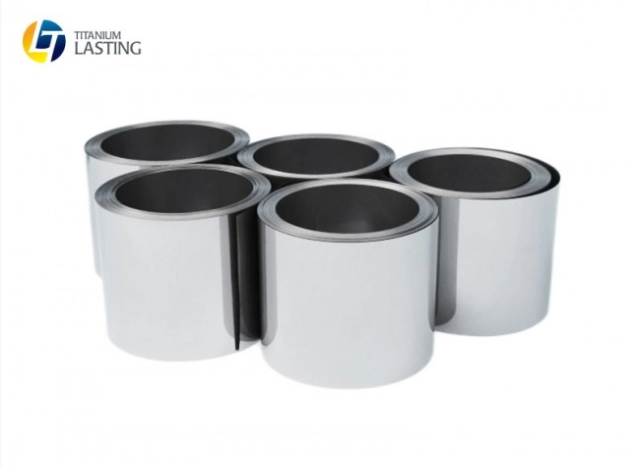
Titanium has become an indispensable material in various industries due to its exceptional properties, including high strength-to-weight ratio, excellent corrosion resistance, and biocompatibility. As the demand for titanium components continues to grow, mastering the art of cutting titanium sheet has become crucial for manufacturers and engineers alike. This comprehensive guide will delve into the intricacies of cutting titanium sheet, exploring various techniques, applications, challenges, and best practices to help you achieve optimal results in your titanium fabrication projects.
Before diving into the cutting processes, it's essential to understand the unique properties of titanium that make it both valuable and challenging to work with. Titanium is known for its high strength, low density, and excellent resistance to corrosion. These properties make it ideal for applications in aerospace, medical, and marine industries. However, these same characteristics also present challenges when it comes to cutting and shaping titanium sheets.
Cutting titanium sheet poses several challenges due to its material properties. The high strength and low thermal conductivity of titanium can lead to rapid tool wear and heat buildup during cutting operations. Additionally, titanium's tendency to work harden and its chemical reactivity with cutting tools can further complicate the cutting process. Understanding these challenges is crucial for selecting the appropriate cutting techniques and implementing effective strategies to overcome them.
Mechanical cutting methods remain popular for processing titanium sheets, especially for smaller-scale operations or when specialized equipment is not available. These methods include sawing, shearing, and milling.
Sawing is a versatile method for cutting titanium sheet, suitable for both straight cuts and contoured shapes. When sawing titanium, it's crucial to use blades with the appropriate tooth geometry and material. Carbide-tipped blades or bi-metal blades with high-speed steel teeth are often recommended for their durability and heat resistance. Proper lubrication and cooling are essential to prevent overheating and extend blade life.
Shearing is an efficient method for making straight cuts in titanium sheet, particularly for thinner gauges. When shearing titanium, it's important to use sharp, properly aligned blades and maintain the correct clearance between the upper and lower blades. The shearing process should be performed at a controlled speed to minimize distortion and ensure clean cuts.
Milling offers precision and flexibility in cutting titanium sheet, allowing for complex shapes and contours. When milling titanium, it's crucial to use rigid setups, sharp cutting tools, and appropriate cutting parameters. High-speed machining techniques and climb milling strategies can help improve surface finish and tool life when working with titanium sheet.
Thermal cutting methods leverage heat to melt or vaporize the titanium, creating precise cuts with minimal mechanical stress on the material. These methods are particularly useful for cutting thicker titanium sheets or creating intricate designs.
Laser cutting has become increasingly popular for processing titanium sheet due to its precision, speed, and ability to create complex geometries. When laser cutting titanium, it's important to use the appropriate laser power, cutting speed, and assist gas to achieve clean cuts and minimize heat-affected zones. Fiber lasers and CO2 lasers are commonly used for cutting titanium, with each offering specific advantages depending on the sheet thickness and desired cut quality.
Plasma cutting is an effective method for cutting thicker titanium sheets, offering high cutting speeds and the ability to cut through multiple layers. When plasma cutting titanium, it's crucial to use the correct gas mixture, amperage, and cutting speed to achieve optimal results. High-definition plasma cutting systems can provide improved cut quality and narrower kerfs compared to conventional plasma cutting.
Waterjet cutting is a versatile method for cutting titanium sheet, capable of producing precise cuts without introducing heat-affected zones. This cold-cutting process uses a high-pressure stream of water mixed with abrasive particles to erode the material. Waterjet cutting is particularly useful for cutting thick titanium sheets or when thermal distortion must be avoided.
Choosing the right tools for cutting titanium sheet is crucial for achieving optimal results and maximizing tool life. When using mechanical cutting methods, opt for tools made from materials such as tungsten carbide or polycrystalline diamond (PCD) that can withstand the abrasive nature of titanium. Regular tool maintenance, including sharpening and replacement, is essential to maintain cutting efficiency and quality.
Optimizing cutting parameters is key to successful titanium sheet cutting. This includes selecting the appropriate cutting speed, feed rate, and depth of cut for mechanical methods, or adjusting power, speed, and assist gas flow for thermal cutting processes. Employing techniques such as climb milling, trochoidal milling, or high-speed machining can help improve cutting performance and tool life when working with titanium sheet.
Effective cooling and lubrication are critical when cutting titanium sheet to manage heat generation and reduce tool wear. For mechanical cutting methods, use high-pressure coolant systems to effectively remove heat from the cutting zone. When laser or plasma cutting, proper gas flow and nozzle design are essential for cooling and removing molten material. In waterjet cutting, the water itself serves as both the cutting medium and coolant.
Proper workholding and fixturing are essential for achieving accurate cuts and maintaining part quality when processing titanium sheet. Use rigid fixturing methods to minimize vibration and deflection during cutting. For thin sheets, consider using vacuum tables or specialized clamping systems to prevent distortion. When cutting complex shapes, design fixtures that provide adequate support while allowing for tool clearance.
The aerospace industry is one of the largest consumers of titanium sheet, utilizing the material for various components due to its high strength-to-weight ratio and corrosion resistance. Cutting titanium sheet is crucial in the production of aircraft structural components, engine parts, and spacecraft components. Precision cutting techniques are employed to create complex geometries while maintaining tight tolerances required for aerospace applications.
Titanium's biocompatibility and corrosion resistance make it an ideal material for medical implants and surgical instruments. Cutting titanium sheet is essential in the production of orthopedic implants, dental prosthetics, and custom medical devices. Advanced cutting techniques, such as laser cutting and waterjet cutting, are often used to create intricate designs and patient-specific implants.
The marine industry leverages titanium's corrosion resistance and strength in various applications, including propeller shafts, heat exchangers, and desalination equipment. Cutting titanium sheet is crucial for fabricating components that can withstand the harsh marine environment. Plasma cutting and waterjet cutting are commonly used for processing thicker titanium sheets used in marine applications.
Titanium's excellent resistance to corrosion makes it valuable in the chemical processing industry for manufacturing tanks, vessels, and heat exchangers. Cutting titanium sheet is essential for fabricating these components, often requiring specialized techniques to maintain material integrity and ensure leak-free joints. Precision cutting methods, such as laser cutting and waterjet cutting, are employed to create complex shapes and fittings.
Additive manufacturing technologies, such as 3D printing, are revolutionizing the way titanium components are produced. While not a cutting process per se, additive manufacturing can significantly reduce the need for extensive cutting operations. Hybrid processes that combine additive manufacturing with traditional cutting techniques are emerging, offering new possibilities for creating complex titanium components with reduced material waste.
The integration of advanced control systems and automation in titanium sheet cutting processes is improving precision, consistency, and efficiency. Computer numerical control (CNC) systems with adaptive control algorithms can optimize cutting parameters in real-time, responding to variations in material properties and cutting conditions. Robotic systems are also being employed for handling and positioning titanium sheets, enhancing safety and productivity in cutting operations.
Advanced simulation and modeling tools are playing an increasingly important role in optimizing titanium sheet cutting processes. Finite element analysis (FEA) and computational fluid dynamics (CFD) simulations can predict cutting forces, heat generation, and material behavior, allowing engineers to optimize cutting strategies before actual production. These tools can help reduce setup time, minimize material waste, and improve overall cutting efficiency.
As the use of titanium continues to grow, proper recycling and waste management practices become increasingly important. Implementing efficient cutting strategies and nesting techniques can help minimize material waste. Titanium scrap generated during cutting operations can be recycled and reprocessed, reducing the environmental impact of titanium production and conserving valuable resources.
Improving energy efficiency in titanium sheet cutting processes is crucial for reducing environmental impact and operational costs. This can be achieved through the use of energy-efficient cutting equipment, optimizing process parameters, and implementing energy recovery systems. For thermal cutting processes, such as laser cutting, advancements in laser technology have led to more energy-efficient systems with higher cutting speeds and reduced power consumption.
Adopting sustainable practices in titanium sheet cutting and fabrication can contribute to a more environmentally friendly manufacturing process. This includes using eco-friendly cutting fluids, implementing dust collection systems to manage titanium particles, and optimizing production schedules to reduce energy consumption during idle periods. Additionally, exploring alternative cutting technologies that reduce environmental impact, such as dry machining or minimum quantity lubrication (MQL) techniques, can further enhance sustainability in titanium processing.
Mastering the art of cutting titanium sheet is a complex but rewarding endeavor that requires a deep understanding of material properties, cutting techniques, and best practices. By leveraging the appropriate cutting methods, implementing optimal process parameters, and staying abreast of emerging technologies, manufacturers and engineers can achieve exceptional results in titanium sheet cutting. As the demand for titanium components continues to grow across various industries, the ability to efficiently and precisely cut titanium sheet will remain a valuable skill in the world of advanced manufacturing.


