

Views: 205 Author: Lasting Titanium Publish Time: 2026-02-12 Origin: Site


Content Menu
● The Unique Properties of Titanium Round Bars
>> High Strength-to-Weight Ratio
● Environmental Benefits of Titanium Round Bars
>> Energy Efficiency in Manufacturing
>> Recycling and Sustainability
● Applications of Titanium Round Bars
● Challenges and Considerations
>> Initial Cost
>> 1. What are the main environmental benefits of titanium round bars?
>> 2. How does titanium's corrosion resistance contribute to sustainability?
>> 3. In which industries are titanium round bars commonly used?
>> 4. What challenges are associated with using titanium round bars?
>> 5. How does titanium contribute to energy efficiency in manufacturing?
In recent years, the manufacturing industry has increasingly focused on sustainability and environmental responsibility. Among the materials gaining attention for their eco-friendly properties is titanium, particularly in the form of round bars. While titanium is often marketed for its environmental benefits, it is essential to understand that these advantages primarily arise during the usage and recycling phases rather than during production. This article explores the various ways in which titanium round bars contribute to sustainable manufacturing practices, emphasizing their role in reducing waste, energy consumption, and overall environmental impact throughout their lifecycle.
Titanium, a transition metal known for its strength and lightweight characteristics, has become a material of choice in various industries. Its unique properties make it suitable for applications where performance and durability are paramount. As industries strive to meet sustainability goals, the adoption of titanium round bars is becoming increasingly relevant. This guide aims to provide a comprehensive understanding of the environmental benefits associated with titanium round bars, focusing on their lifecycle assessment (LCA) and the significant advantages they offer during their use and recycling.
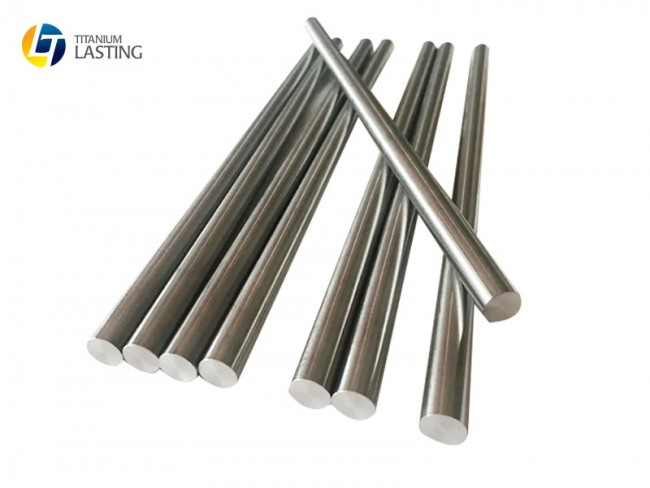
One of the most notable characteristics of titanium round bars is their high strength-to-weight ratio. Titanium is approximately 45% lighter than steel while maintaining comparable strength. This property is particularly beneficial in industries such as aerospace and automotive, where reducing weight can lead to significant improvements in fuel efficiency and performance. By using titanium round bars, manufacturers can create lighter components that require less energy to operate, ultimately reducing greenhouse gas emissions.
The high strength-to-weight ratio of titanium allows for innovative designs that can enhance the performance of various products. For instance, in the aerospace sector, the use of titanium round bars in aircraft components can lead to lighter structures that improve fuel efficiency. This not only benefits the manufacturers by reducing operational costs but also contributes to environmental sustainability by lowering carbon emissions during flight.
Titanium exhibits exceptional resistance to corrosion, making it an ideal material for use in harsh environments. When exposed to oxygen, titanium forms a natural oxide layer that protects it from corrosion and degradation. This self-healing property ensures that titanium round bars maintain their integrity over time, reducing the need for frequent replacements. In industries such as marine and chemical processing, where equipment is often exposed to corrosive substances, the durability of titanium round bars translates into lower maintenance costs and less environmental waste.
The corrosion resistance of titanium also means that it can be used in applications where other metals would fail, leading to potential leaks and environmental contamination. For example, in chemical processing plants, titanium round bars can be used in piping systems and reactors, ensuring that the equipment remains functional and safe over extended periods. This reliability not only enhances operational efficiency but also minimizes the risk of environmental incidents.
In addition to its mechanical properties, titanium is biocompatible, making it suitable for medical applications. Titanium round bars are commonly used in surgical implants and medical devices due to their ability to integrate with human tissue without causing adverse reactions. The longevity of titanium implants reduces the need for replacement surgeries, which not only benefits patients but also minimizes the environmental impact associated with manufacturing and disposing of medical devices.
The biocompatibility of titanium is particularly important in the medical field, where the safety and effectiveness of implants are paramount. Titanium's ability to promote osseointegration, the process by which bone cells attach to the implant, enhances the success rate of surgical procedures. This characteristic not only improves patient outcomes but also reduces the overall demand for medical resources, contributing to a more sustainable healthcare system.
The durability and longevity of titanium round bars contribute to reduced waste generation in manufacturing processes. Traditional materials, such as steel and aluminum, often require frequent replacements due to wear and corrosion. In contrast, titanium's resistance to degradation means that components made from titanium can remain in service for many years. This extended lifespan reduces the frequency of manufacturing new parts, thereby minimizing the waste associated with production and disposal.
Moreover, the reduced need for replacements translates into lower resource consumption. Fewer materials are required to produce new components, leading to a decrease in the overall environmental footprint of manufacturing operations. This is particularly significant in industries where equipment failure can lead to substantial downtime and increased operational costs. By investing in titanium round bars, manufacturers can enhance their sustainability efforts while also improving their bottom line.
The production of titanium round bars has become increasingly energy-efficient due to advancements in manufacturing techniques. Modern processes, such as additive manufacturing and precision machining, allow for the efficient use of materials, reducing energy consumption during production. Additionally, the lightweight nature of titanium components leads to lower energy requirements during transportation and operation. By choosing titanium round bars, manufacturers can significantly decrease their overall energy footprint.
It is important to note that while the production of titanium from raw materials can be energy-intensive, the energy consumption associated with recycling titanium is significantly lower. The energy required to recycle titanium and remelt it into new bars is only about 5% of the energy needed to produce titanium from ore. This stark contrast highlights the sustainability of using recycled titanium, making it a compelling choice for manufacturers looking to reduce their carbon footprint.
Energy efficiency is a critical consideration in today's manufacturing landscape, where companies are under pressure to reduce their carbon emissions. The use of titanium round bars not only contributes to lower energy consumption but also aligns with global sustainability goals. As industries continue to adopt more energy-efficient practices, titanium's role as a sustainable material will become increasingly prominent.
Titanium is one of the most recyclable metals available, with the ability to be recycled indefinitely without losing its core properties. This characteristic makes titanium round bars an environmentally friendly choice for manufacturers. Recycling titanium reduces the need for new mining and extraction, which can have detrimental effects on the environment. The recycling process for titanium is also less energy-intensive compared to the production of new titanium from raw materials, further contributing to sustainability efforts.
The ability to recycle titanium round bars not only conserves natural resources but also minimizes the environmental impact associated with mining and processing. As the demand for sustainable materials continues to grow, the recycling of titanium will play a crucial role in meeting these needs. Manufacturers that prioritize the use of recycled titanium can enhance their sustainability credentials and appeal to environmentally conscious consumers.
The use of titanium round bars in manufacturing can lead to a lower carbon footprint. By reducing the need for frequent replacements and minimizing waste, titanium helps decrease the overall environmental impact of industrial processes. Additionally, the lightweight nature of titanium components contributes to lower fuel consumption in transportation and operation, further reducing greenhouse gas emissions. As industries strive to meet sustainability goals, the adoption of titanium round bars can play a crucial role in achieving these objectives.
A lower carbon footprint is not only beneficial for the environment but also enhances a company's reputation. As consumers become more aware of the environmental impact of their purchasing decisions, businesses that prioritize sustainability are likely to gain a competitive advantage. By incorporating titanium round bars into their manufacturing processes, companies can demonstrate their commitment to environmental responsibility and attract eco-conscious customers.
In the aerospace sector, titanium round bars are widely used for structural components, fasteners, and engine parts. The high strength-to-weight ratio of titanium allows for the design of lightweight aircraft that consume less fuel and produce fewer emissions. The corrosion resistance of titanium also ensures that components can withstand the harsh conditions of flight, leading to longer service life and reduced maintenance needs.
The aerospace industry is increasingly focused on sustainability, and the use of titanium round bars aligns with this goal. By reducing the weight of aircraft components, manufacturers can improve fuel efficiency and decrease the carbon emissions associated with air travel. As the demand for greener aviation solutions continues to grow, titanium's role in the aerospace sector will become even more critical.
Titanium round bars are commonly used in the production of medical implants and devices due to their biocompatibility and strength. The longevity of titanium implants reduces the need for replacement surgeries, minimizing the environmental impact associated with manufacturing and disposing of medical devices. Additionally, the use of titanium in medical applications contributes to improved patient outcomes and safety.
The medical industry is under constant pressure to enhance the quality of care while minimizing costs. Titanium's unique properties allow for the development of advanced medical devices that can improve patient outcomes and reduce the overall demand for healthcare resources. By investing in titanium round bars, manufacturers can contribute to a more sustainable healthcare system.
In marine environments, titanium round bars are utilized for components exposed to seawater and corrosive conditions. The corrosion resistance of titanium ensures that marine equipment remains functional and reliable over time, reducing the need for frequent replacements. This durability not only benefits manufacturers but also contributes to environmental sustainability by minimizing waste and resource consumption.
The marine industry faces unique challenges due to the harsh conditions of saltwater exposure. Titanium round bars provide a reliable solution for manufacturers looking to create durable and long-lasting marine components. By reducing the frequency of replacements and maintenance, titanium helps lower the environmental impact associated with marine operations.
Titanium round bars are ideal for use in chemical processing applications due to their resistance to corrosion and degradation. In environments where traditional metals would fail, titanium maintains its integrity, preventing leaks and equipment failures that could lead to hazardous situations. The use of titanium in chemical processing contributes to improved safety standards and reduced environmental risks.
The chemical industry is subject to stringent regulations regarding environmental protection, and the use of titanium round bars can help companies meet these requirements. By minimizing the risk of leaks and failures, titanium enhances operational safety while also reducing the environmental impact of chemical processing operations.
While titanium round bars offer numerous environmental benefits, their initial cost can be higher than that of traditional materials. Manufacturers must weigh the long-term advantages of using titanium against the upfront investment. However, the durability and longevity of titanium components often lead to cost savings over time, making them a worthwhile investment for many applications.
The initial cost of titanium can be a barrier for some manufacturers, particularly those operating on tight budgets. However, as the demand for sustainable materials continues to grow, the economic incentives for using titanium round bars are becoming more apparent. By reducing waste and energy consumption, titanium can ultimately lead to lower operational costs and improved profitability.
Machining titanium can be more challenging than working with other metals due to its unique properties. Specialized tools and techniques are often required to achieve the desired precision and surface finish. Manufacturers must invest in the right equipment and training to effectively work with titanium round bars, which can add to the overall cost of production.
Despite the challenges associated with machining titanium, advancements in technology are making it easier for manufacturers to work with this material. By investing in modern machining techniques and equipment, companies can improve their efficiency and reduce the costs associated with titanium production.
The environmental benefits of using titanium round bars in manufacturing are significant and multifaceted. From reducing waste generation and energy consumption to promoting recycling and sustainability, titanium offers a range of advantages that align with the industry's growing focus on environmental responsibility. As manufacturers continue to seek eco-friendly materials, titanium round bars are poised to play a crucial role in shaping a more sustainable future.
By understanding the unique properties and applications of titanium round bars, industry professionals can make informed decisions that contribute to both their operational success and environmental sustainability. As the demand for sustainable materials continues to rise, the role of titanium in manufacturing will only become more prominent.
Titanium round bars offer reduced waste generation, energy efficiency in manufacturing, excellent recyclability, and a lower carbon footprint compared to traditional materials.
Titanium's corrosion resistance extends the lifespan of components, reducing the need for frequent replacements and minimizing waste associated with manufacturing new parts.
Titanium round bars are widely used in aerospace, medical devices, marine applications, and chemical processing due to their unique properties and environmental benefits.
The initial cost of titanium round bars can be higher than traditional materials, and machining titanium requires specialized tools and techniques.
The lightweight nature of titanium components leads to lower energy requirements during transportation and operation, reducing overall energy consumption and greenhouse gas emissions.


