

Views: 415 Author: Lasting Titanium Publish Time: 2025-03-29 Origin: Site


Content Menu
● Introduction to Titanium and Niobium
● Properties of Titanium Threaded Bars
>> Lightweight
● Properties of Niobium Threaded Bars
>> Formability and Weldability
● Applications of Titanium Threaded Bars
● Applications of Niobium Threaded Bars
>> Jewelry
● Comparison of Titanium and Niobium Threaded Bars
>> 1. What are the main advantages of titanium threaded bars over niobium?
>> 2. Is niobium a cost-effective alternative to titanium?
>> 3. Can titanium threaded bars be used in marine environments?
>> 4. What industries commonly use niobium threaded bars?
>> 5. How do the weights of titanium and niobium compare?
When it comes to selecting materials for threaded bars, titanium and niobium are two prominent choices that stand out due to their unique properties and applications. This article delves into the characteristics, advantages, and potential uses of titanium threaded bars compared to niobium, ultimately helping you determine which material is more versatile for your specific needs.
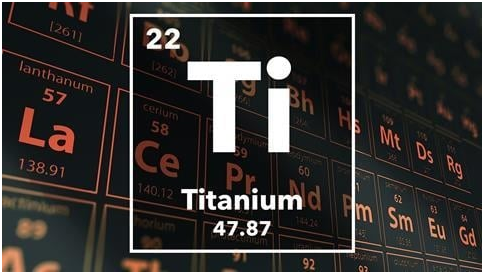
Titanium is a transition metal known for its high strength-to-weight ratio, excellent corrosion resistance, and biocompatibility. It is widely used in aerospace, medical devices, and marine applications due to its durability and lightweight nature. Titanium threaded bars are particularly valued in industries where strength and resistance to harsh environments are critical. The unique properties of titanium stem from its atomic structure, which allows it to form a protective oxide layer that enhances its resistance to corrosion. This makes titanium not only a practical choice but also a reliable one for long-term applications.
Niobium, on the other hand, is a softer metal that is often used in applications requiring good formability and weldability. It is less dense than titanium and has a lower melting point, making it easier to work with in certain manufacturing processes. Niobium is commonly used in superconducting materials, jewelry, and some industrial applications. Its unique properties, such as the ability to maintain strength at high temperatures, make niobium an essential material in specialized fields, particularly in the production of high-performance alloys.
Titanium threaded bars are renowned for their exceptional strength. They possess a tensile strength that is significantly higher than that of many other metals, including niobium. This makes titanium an ideal choice for applications where high loads and stresses are expected. The durability of titanium threaded bars ensures that they can withstand extreme conditions, including high temperatures and corrosive environments, without compromising their structural integrity. This strength-to-weight ratio is particularly advantageous in industries such as aerospace, where every ounce counts.
One of the standout features of titanium is its remarkable resistance to corrosion. It can withstand exposure to various chemicals and environments, including seawater, making it suitable for marine applications. This property ensures that titanium threaded bars maintain their integrity over time, reducing the need for frequent replacements. The corrosion resistance of titanium is attributed to the formation of a stable oxide layer that protects the underlying metal from environmental damage, making it a preferred choice in chemical processing and offshore applications.
Titanium is approximately 45% lighter than steel, which is a significant advantage in applications where weight is a concern. This lightweight nature allows for easier handling and installation, particularly in aerospace and automotive industries. The reduced weight of titanium threaded bars not only enhances performance but also contributes to fuel efficiency in vehicles and aircraft, making it an environmentally friendly option in the long run.
Titanium is biocompatible, meaning it is safe for use in medical applications. This property makes titanium threaded bars an excellent choice for implants and surgical instruments, where compatibility with human tissue is essential. The biocompatibility of titanium is crucial in the medical field, as it minimizes the risk of rejection by the body and promotes healing. This has led to the widespread use of titanium in orthopedic implants, dental fixtures, and various surgical tools.
Niobium is known for its excellent formability, which allows it to be easily shaped and welded. This makes niobium threaded bars suitable for applications where complex shapes and configurations are required. The ease of welding also facilitates the manufacturing process, reducing production time and costs. Niobium's formability is particularly beneficial in industries that require intricate designs, such as aerospace and automotive, where precision is paramount.
Niobium has a lower density compared to titanium, which can be advantageous in applications where weight savings are essential but not as critical as strength. This property allows for the creation of lighter components without sacrificing too much strength. The lower density of niobium also contributes to its cost-effectiveness, making it an attractive option for projects that require a balance between performance and budget.
Generally, niobium is more cost-effective than titanium. This makes niobium threaded bars an attractive option for projects with budget constraints, especially in industries where high-performance materials are not as critical. The lower cost of niobium does not compromise its performance, making it a viable alternative in various applications, from industrial manufacturing to decorative jewelry.
In the aerospace sector, titanium threaded bars are extensively used due to their lightweight and high strength. They are employed in aircraft structures, engine components, and fasteners, where performance and reliability are paramount. The use of titanium in aerospace applications not only enhances the structural integrity of aircraft but also contributes to fuel efficiency, making it a preferred material for modern aviation.
Titanium's biocompatibility makes it a preferred material for medical devices, including surgical implants and instruments. Titanium threaded bars are used in orthopedic implants, dental fixtures, and other medical applications where strength and safety are crucial. The ability of titanium to integrate with human tissue without causing adverse reactions has revolutionized the field of medicine, leading to improved patient outcomes and faster recovery times.
Due to its corrosion resistance, titanium is widely used in marine environments. Titanium threaded bars are utilized in shipbuilding, offshore structures, and underwater equipment, ensuring longevity and performance in harsh conditions. The durability of titanium in saltwater environments makes it an ideal choice for marine applications, where traditional materials may fail due to corrosion.
Niobium is a key component in superconducting materials, which are used in various high-tech applications, including MRI machines and particle accelerators. Niobium threaded bars are essential in the construction of superconducting magnets and other related technologies. The unique properties of niobium, such as its ability to conduct electricity without resistance at low temperatures, make it invaluable in the field of advanced technology.
Niobium's unique colors and hypoallergenic properties make it a popular choice in the jewelry industry. Niobium threaded bars are often used in body jewelry and other decorative items, appealing to consumers looking for both aesthetics and safety. The ability to anodize niobium allows for a wide range of vibrant colors, making it a favorite among jewelry designers seeking to create eye-catching pieces.
Niobium is used in various industrial applications, including the production of high-strength steel alloys. Niobium threaded bars can be found in construction, automotive, and manufacturing sectors, where their formability and weldability are advantageous. The addition of niobium to steel enhances its strength and toughness, making it suitable for demanding applications in construction and heavy machinery.
Property | Titanium | Niobium |
Strength | High | Moderate |
Corrosion Resistance | Excellent | Good |
Weight | Lightweight | Lightweight |
Formability | Moderate | Excellent |
Weldability | Good | Excellent |
Cost | Higher | Lower |
Biocompatibility | Yes | No |
In conclusion, both titanium and niobium threaded bars have their unique advantages and applications. Titanium threaded bars are ideal for high-performance applications requiring strength, corrosion resistance, and biocompatibility. In contrast, niobium threaded bars excel in formability, weldability, and cost-effectiveness, making them suitable for a variety of industrial and decorative applications.
When choosing between titanium and niobium threaded bars, consider the specific requirements of your project, including strength, weight, corrosion resistance, and budget. Ultimately, the decision will depend on the unique demands of your application and the properties that are most important to you.
Titanium threaded bars offer higher strength, better corrosion resistance, and biocompatibility, making them suitable for demanding applications in aerospace and medical fields.
Yes, niobium is generally more cost-effective than titanium, making it a good choice for projects with budget constraints, especially in less critical applications.
Absolutely! Titanium's excellent corrosion resistance makes it ideal for marine applications, including shipbuilding and underwater equipment.
Niobium threaded bars are commonly used in the superconducting materials industry, jewelry manufacturing, and various industrial applications requiring good formability and weldability.
Both titanium and niobium are lightweight metals, but titanium is approximately 45% lighter than steel, while niobium is also lighter than many other metals, making both suitable for applications where weight is a concern.


