

Views: 0 Author: Site Editor Publish Time: 2024-09-26 Origin: Site


In today's world, where industries across the globe are making significant efforts to reduce carbon emissions and protect the environment, the sustainable development of titanium materials has taken on a crucial role. This article aims to thoroughly explore this important topic, starting from the discovery of titanium, delving into its main functions and roles, and ultimately focusing on the sustainable development of titanium.
The Discovery of Titanium
Historical Background
Titanium was discovered in 1791 by the English clergyman and amateur geologist William Gregor. He found a new mineral in the black magnetic sand of Menaccan in Cornwall, England. Later, in 1795, the German chemist Martin Heinrich Klaproth independently discovered the same mineral and named it titanium after the Titans of Greek mythology.

Early Research and Exploration
In the early days after its discovery, titanium was a relatively unknown element. Scientists and researchers began to study its properties and potential applications. Due to its high reactivity and difficulty in extraction, it took many years of research and development to unlock the full potential of titanium.
The Functions and Roles of Titanium
Mechanical Properties
High Strength-to-Weight Ratio
Titanium is renowned for its high strength-to-weight ratio. This property makes it an ideal material for applications where strength is required while minimizing weight. For example, in the aerospace industry, titanium components are used in aircraft engines, airframes, and structural parts to reduce weight and improve fuel efficiency.
Toughness and Durability
Titanium is extremely tough and durable, able to withstand harsh environments and mechanical stress. This makes it suitable for use in various industrial applications, such as in the construction of offshore oil platforms, chemical processing plants, and power generation facilities.
Corrosion Resistance
Titanium has excellent corrosion resistance, making it resistant to a wide range of corrosive substances, including seawater, acids, and alkalis. This property makes it an ideal material for applications in the marine, chemical, and medical industries.
Thermal Properties
High Melting Point
Titanium has a high melting point, which allows it to withstand high temperatures without melting or deforming. This property makes it suitable for use in applications such as aerospace engines, industrial furnaces, and heat exchangers.
Good Thermal Conductivity
Titanium also has good thermal conductivity, enabling it to transfer heat efficiently. This property is useful in applications where heat dissipation is important, such as in electronics and heat exchangers.
Biological Properties
Biocompatibility
Titanium is biocompatible, meaning it is well-tolerated by the human body. This property makes it an ideal material for medical implants and devices, such as hip joints, dental implants, and surgical instruments.
Non-Toxicity
Titanium is non-toxic and does not cause any adverse reactions in the body. This makes it a safe material for use in medical applications.
The Importance of Titanium in Various Industries
Aerospace Industry
Lightweight and High Strength
The aerospace industry is one of the largest users of titanium materials. Titanium's high strength-to-weight ratio makes it an ideal material for aircraft components, such as engine parts, airframes, and landing gears. By using titanium, aircraft manufacturers can reduce the weight of their aircraft, improving fuel efficiency and reducing emissions.
Corrosion Resistance
The aerospace industry operates in harsh environments, including high altitudes and extreme temperatures. Titanium's corrosion resistance makes it suitable for use in these environments, ensuring the longevity and reliability of aircraft components.

Automotive Industry
Lightweighting
The automotive industry is also increasingly using titanium materials for lightweighting purposes. By reducing the weight of vehicles, automakers can improve fuel efficiency and reduce emissions. Titanium components, such as engine parts, exhaust systems, and suspension components, can help achieve significant weight reductions.
Performance and Durability
Titanium's high strength and durability make it an ideal material for automotive applications that require high performance and reliability. For example, titanium exhaust systems can withstand high temperatures and corrosive exhaust gases, while titanium suspension components can provide better handling and stability.
Medical Industry
Biocompatibility
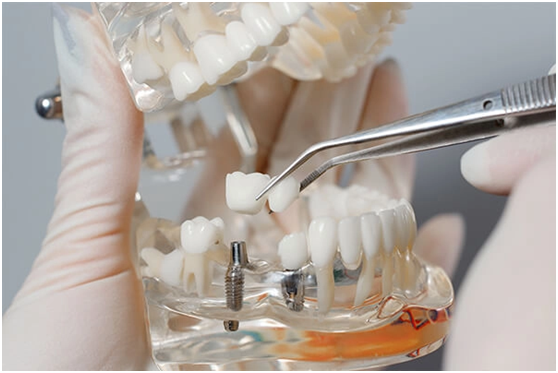
The medical industry relies on titanium for its biocompatibility. Titanium implants and devices, such as hip joints, dental implants, and surgical instruments, are widely used in medical procedures. These implants are designed to integrate with the human body and provide long-term stability and functionality.
Corrosion Resistance
Titanium's corrosion resistance is also important in the medical industry. Implants and devices made of titanium are resistant to the body's fluids and chemicals, ensuring their safety and reliability over time.
Chemical Industry
Corrosion Resistance
The chemical industry operates in corrosive environments, where materials need to withstand the effects of acids, alkalis, and other chemicals. Titanium's excellent corrosion resistance makes it an ideal material for chemical processing plants, storage tanks, and piping systems.
High Temperature Resistance
The chemical industry also requires materials that can withstand high temperatures. Titanium's high melting point and good thermal conductivity make it suitable for use in high-temperature applications, such as in chemical reactors and heat exchangers.
Marine Industry
Corrosion Resistance
The marine industry faces unique challenges due to the corrosive nature of seawater. Titanium's corrosion resistance makes it an ideal material for marine applications, such as ship hulls, propellers, and offshore oil platforms. By using titanium, marine engineers can ensure the longevity and reliability of their structures.
Lightweight and High Strength
Titanium's high strength-to-weight ratio is also beneficial in the marine industry. By reducing the weight of marine structures, shipbuilders can improve fuel efficiency and increase payload capacity.
The Environmental Impact of Titanium Production
Energy Consumption
The production of titanium is energy-intensive, requiring significant amounts of electricity and heat. This energy consumption contributes to carbon emissions and environmental degradation.
Waste Generation
The production process also generates waste, including slag, dust, and wastewater. If not properly managed, these wastes can pollute the environment and pose a threat to human health.
Resource Depletion
The extraction of titanium ores from the earth's crust also leads to resource depletion. As the demand for titanium continues to grow, it is important to ensure the sustainable extraction and use of titanium ores.
Sustainable Development of Titanium Materials
Sustainable Mining and Production Practices
Responsible Sourcing
To ensure the sustainable development of titanium materials, it is essential to source titanium ores from responsible mines that follow sustainable mining practices. This includes minimizing environmental impacts, protecting biodiversity, and ensuring the safety and well-being of workers.
Energy Efficiency
Manufacturers can also improve the energy efficiency of the titanium production process by using advanced technologies and processes. For example, they can use renewable energy sources, such as solar and wind power, to reduce their carbon footprint.
Waste Management
Proper waste management is crucial for minimizing the environmental impact of titanium production. Manufacturers can implement recycling and reuse programs to reduce waste generation and conserve resources. They can also treat wastewater and other wastes to ensure that they are safely disposed of.
Recycling and Reuse of Titanium
Benefits of Recycling
Recycling titanium offers several benefits, including reducing the demand for virgin titanium ores, conserving resources, and reducing waste. Recycled titanium can be used in a wide range of applications, including aerospace, automotive, and medical industries.
Recycling Technologies
There are several technologies available for recycling titanium, including remelting, powder metallurgy, and chemical processing. These technologies can be used to recover titanium from scrap materials and produce high-quality recycled titanium products.
Collaboration and Partnerships
To promote the recycling and reuse of titanium, collaboration and partnerships between manufacturers, recyclers, and end-users are essential. By working together, they can develop innovative solutions and best practices for recycling titanium and closing the loop in the titanium supply chain.
Innovation in Titanium Materials
New Alloys and Composites
Researchers are constantly developing new alloys and composites of titanium to improve its properties and performance. These new materials can offer enhanced strength, corrosion resistance, and other desirable characteristics while reducing the environmental impact of production.
Advanced Manufacturing Technologies
The development of advanced manufacturing technologies, such as additive manufacturing (3D printing), can also contribute to the sustainable development of titanium materials. Additive manufacturing allows for the production of complex geometries with minimal waste, reducing the energy consumption and material requirements of traditional manufacturing methods.
Collaboration and Partnerships
Industry Collaboration
Collaboration between different industries and stakeholders is crucial for promoting the sustainable development of titanium materials. For example, the aerospace, automotive, and medical industries can work together to develop common standards and best practices for the use of sustainable titanium.
Research and Development Partnerships
Partnerships between research institutions, universities, and industry can drive innovation in titanium materials. By collaborating on research and development projects, they can develop new technologies and solutions for sustainable titanium production and use.
Government and Policy Support
Government policies and regulations can play a significant role in promoting the sustainable development of titanium materials. Governments can provide incentives for sustainable mining and production practices, support research and development, and implement recycling and waste management programs.
Conclusion
The sustainable development of titanium materials is of utmost importance in the era of global carbon reduction and environmental protection. From its discovery to its wide range of applications in various industries, titanium has proven to be a valuable material with unique properties. However, to ensure its long-term sustainability, it is essential to address the environmental impacts of its production, promote sustainable mining and production practices, encourage recycling and reuse, and drive innovation in titanium materials. By working together, industries, governments, and society can contribute to a more sustainable future for titanium and the planet.


