

Views: 380 Author: Lasting titanium Publish Time: 2025-07-25 Origin: Site


Content Menu
● Understanding Titanium Processing
● Key Differences Between Forged and Rolled Titanium
● Advantages of Forged Titanium
● Advantages of Rolled Titanium
>> Versatility
● Choosing the Right Option for Your Needs
Titanium is a remarkable metal known for its strength, lightweight nature, and resistance to corrosion. It is widely used in various industries, including aerospace, medical, and automotive. When it comes to processing titanium, two primary methods are commonly employed: forging and rolling. Each method has its unique characteristics, advantages, and applications. This article will delve into the differences between forged titanium and rolled titanium, helping you understand which option may be best suited for your specific needs.
Forged titanium is produced by applying compressive forces to titanium billets or ingots. This process involves heating the titanium to a specific temperature and then shaping it through mechanical deformation. The forging process enhances the material's mechanical properties, resulting in a product that is stronger and more durable than its cast counterparts. Forged titanium is often used in applications where high strength and reliability are critical, such as in aerospace components and medical implants.
The forging process typically begins with heating the titanium to a temperature that makes it malleable but not molten. This temperature is usually between 1,500°F and 1,800°F (800°C to 1,000°C). Once heated, the titanium is placed in a forging press or hammer, where it is shaped into the desired form. This method not only improves the mechanical properties of the titanium but also refines its grain structure, resulting in a more uniform and durable product. The final forged titanium components often exhibit enhanced fatigue resistance, making them ideal for high-stress applications.
Rolled titanium, on the other hand, is created by passing titanium through a series of rollers to reduce its thickness and shape it into sheets, plates, or bars. This process can be performed at room temperature (cold rolling) or at elevated temperatures (hot rolling). Rolled titanium products are typically used in applications where a specific thickness and surface finish are required, such as in architectural applications and industrial components.
The rolling process begins with heating the titanium to a temperature that allows it to be easily deformed. The titanium is then fed through a series of rollers that gradually reduce its thickness while increasing its length. This method is efficient for producing large quantities of titanium in uniform thicknesses. The resulting rolled titanium products can be further processed through cutting, machining, or welding to meet specific application requirements. Rolled titanium is often used in applications where the material does not need to withstand extreme stress, making it a versatile option for various industries.
The manufacturing processes for forged and rolled titanium are fundamentally different. Forging involves compressive forces and high temperatures to shape the metal, while rolling uses mechanical pressure to flatten and shape the material. This difference in processing leads to variations in the final product's properties.
In forging, the application of compressive forces aligns the titanium's grain structure, enhancing its strength and toughness. This process is particularly beneficial for components that will experience high levels of stress or fatigue. In contrast, rolling primarily focuses on achieving specific dimensions and surface finishes, which may not significantly alter the material's inherent properties. As a result, forged titanium components are often preferred in applications where performance and reliability are critical.
Forged titanium generally exhibits superior mechanical properties compared to rolled titanium. The forging process refines the grain structure of the metal, resulting in improved strength, toughness, and fatigue resistance. This makes forged titanium ideal for high-stress applications, such as in aerospace and military components. The enhanced mechanical properties of forged titanium are attributed to the alignment of the grain structure during the forging process, which allows for better load distribution and resistance to deformation.
In contrast, rolled titanium may have a more uniform grain structure but lacks the same level of strength and durability. While rolled titanium can still be strong and reliable, it may not perform as well under extreme conditions. This difference in mechanical properties is crucial when selecting the appropriate titanium type for specific applications, as the consequences of failure can be significant in high-stakes environments.
Due to its enhanced mechanical properties, forged titanium is commonly used in applications that require high performance and reliability. Examples include aircraft components, medical implants, and high-performance automotive parts. In the aerospace industry, forged titanium is often used for critical components such as landing gear, engine parts, and structural elements. These components must withstand extreme forces and environmental conditions, making the strength and durability of forged titanium essential.
Rolled titanium, while still strong, is often used in applications where specific dimensions and surface finishes are more critical than extreme strength. Examples include architectural elements, heat exchangers, and industrial equipment. The versatility of rolled titanium allows it to be used in a wide range of applications, from decorative features in buildings to functional components in machinery. Its ability to be produced in various thicknesses and dimensions makes it a popular choice for many industries.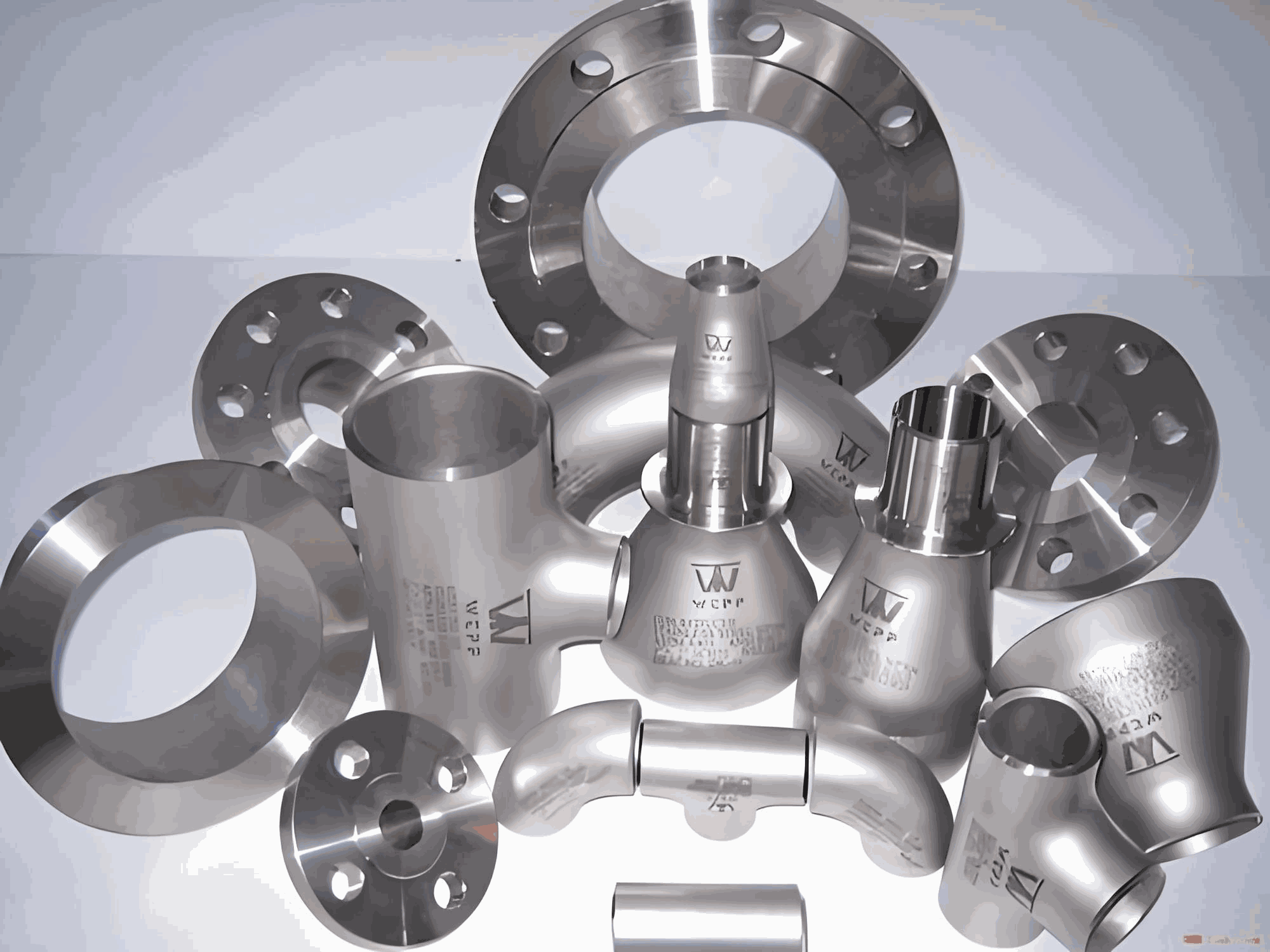
The cost of producing forged titanium is generally higher than that of rolled titanium. This is due to the more complex manufacturing process and the additional energy required for heating and shaping the metal. However, the increased strength and reliability of forged titanium can justify the higher cost in applications where performance is paramount. In industries such as aerospace and medical, where component failure can have catastrophic consequences, the investment in forged titanium is often seen as necessary.
On the other hand, rolled titanium is typically more cost-effective due to its simpler manufacturing process. This makes it an attractive option for applications where extreme strength is not the primary concern. The lower cost of rolled titanium can also make it a more viable option for projects with budget constraints, allowing for the use of titanium in a wider range of applications.
Rolled titanium typically has a smoother surface finish compared to forged titanium. The rolling process allows for better control over the thickness and surface characteristics of the material. This smooth finish can be advantageous in applications where aesthetics and surface quality are important, such as in architectural and decorative applications. The ability to achieve a high-quality surface finish can also reduce the need for additional machining or finishing processes, saving time and costs.
In contrast, forged titanium may require additional machining or finishing processes to achieve a desired surface quality. The forging process can leave the surface of the material rougher, which may not be suitable for all applications. However, the mechanical properties of forged titanium often outweigh the need for a perfect surface finish in high-performance applications.
One of the primary advantages of forged titanium is its exceptional strength-to-weight ratio. The forging process enhances the material's mechanical properties, making it suitable for high-stress applications. This strength is particularly important in industries such as aerospace, where components must withstand extreme conditions. The ability to produce lightweight yet strong components can lead to improved fuel efficiency and overall performance in aircraft and other vehicles.
Additionally, the durability of forged titanium makes it an ideal choice for applications in harsh environments. Its resistance to corrosion and fatigue ensures that components maintain their integrity over time, reducing the need for frequent replacements and maintenance. This longevity can result in significant cost savings for companies that rely on titanium components in their operations.
Forged titanium exhibits excellent fatigue resistance, making it ideal for applications where components are subjected to repeated loading and unloading cycles. This property is crucial in aerospace and automotive applications, where reliability is essential. The ability of forged titanium to withstand cyclic loading without failure is a key factor in its widespread use in critical components.
The fatigue resistance of forged titanium is attributed to its refined grain structure, which allows for better load distribution and minimizes stress concentrations. This characteristic is particularly important in applications where components experience dynamic loads, such as in aircraft wings or engine parts. The enhanced fatigue resistance of forged titanium contributes to the overall safety and reliability of the systems in which it is used.
Forged titanium can be produced in a variety of shapes and sizes, allowing for greater customization to meet specific project requirements. This flexibility is beneficial in industries where unique designs are necessary. The ability to create custom components can lead to improved performance and efficiency in applications where standard parts may not suffice.
Manufacturers can work closely with clients to develop tailored solutions that meet their specific needs. This level of customization can be particularly valuable in industries such as aerospace and medical, where precision and performance are critical. The ability to produce specialized components can also give companies a competitive edge in their respective markets.
Rolled titanium is generally more cost-effective than forged titanium due to the simpler manufacturing process. This makes it an attractive option for applications where extreme strength is not the primary concern. The lower cost of rolled titanium can also make it a more viable option for projects with budget constraints, allowing for the use of titanium in a wider range of applications.
The cost savings associated with rolled titanium can be significant, especially for large-scale projects that require substantial quantities of material. This affordability can open up new opportunities for companies looking to incorporate titanium into their products without exceeding budget limitations.
Rolled titanium can be produced in various thicknesses and dimensions, making it suitable for a wide range of applications. Its versatility allows it to be used in everything from architectural elements to industrial components. The ability to produce rolled titanium in different forms, such as sheets, plates, and bars, makes it a popular choice for many industries.
This versatility also extends to the various surface finishes that can be achieved with rolled titanium. Manufacturers can produce rolled titanium with smooth surfaces, textured finishes, or even anodized coatings, depending on the specific requirements of the application. This adaptability makes rolled titanium a valuable material for a diverse array of projects.
The rolling process results in a smoother surface finish, which can be advantageous in applications where aesthetics and surface quality are important. This characteristic makes rolled titanium a popular choice for architectural and decorative applications. The ability to achieve a high-quality surface finish can also reduce the need for additional machining or finishing processes, saving time and costs.
In industries where appearance matters, such as in architectural design or consumer products, the smooth finish of rolled titanium can enhance the overall aesthetic appeal. This quality can be particularly important in applications where the titanium components are visible and contribute to the overall design of the product.
When deciding between forged and rolled titanium, it is essential to consider the specific requirements of your application. If strength, durability, and fatigue resistance are critical, forged titanium may be the better choice. However, if cost-effectiveness and versatility are more important, rolled titanium may be the way to go.
- Application Requirements: Assess the specific demands of your project, including load-bearing capacity, environmental conditions, and aesthetic considerations. Understanding the operational environment and the stresses that components will face can help guide your decision.
- Budget Constraints: Determine your budget and evaluate the cost implications of each option. Consider not only the initial material costs but also the long-term maintenance and replacement costs associated with each type of titanium.
- Customization Needs: Consider whether you require custom shapes or sizes, as forged titanium offers more flexibility in this regard. If your project involves unique designs or specifications, the ability to customize forged titanium components can be a significant advantage.
Both forged and rolled titanium have their unique advantages and applications. Understanding the differences between these two processing methods is crucial for making informed decisions in material selection. By considering factors such as mechanical properties, cost, and application requirements, you can choose the right type of titanium for your specific needs.
1. What is the primary difference between forged and rolled titanium?
The primary difference lies in the manufacturing process; forged titanium is shaped through compressive forces, while rolled titanium is flattened through mechanical pressure.
2. Which type of titanium is stronger?
Forged titanium generally exhibits superior strength and fatigue resistance compared to rolled titanium due to the refining of its grain structure during the forging process.
3. What are the typical applications for forged titanium?
Forged titanium is commonly used in aerospace components, medical implants, and high-performance automotive parts.
4. Is rolled titanium more cost-effective than forged titanium?
Yes, rolled titanium is typically more cost-effective due to the simpler manufacturing process.
5. Can forged titanium be customized?
Yes, forged titanium can be produced in various shapes and sizes, allowing for greater customization to meet specific project requirements.


