

Views: 239 Author: Lasting Titanium Publish Time: 2024-09-27 Origin: Site


Content Menu
How Are Titanium Fasteners Revolutionizing the Aerospace Industry?
● Introduction to Aerospace Titanium Fasteners
>> The Rise of Titanium in Aerospace
● Properties of Titanium Fasteners
● Applications of Titanium Fasteners in Aerospace
>> Landing Gear
● Manufacturing Processes for Aerospace Titanium Fasteners
● Advantages of Using Titanium Fasteners in Aerospace
● Challenges and Future Developments
>> Advancements in Alloy Development
>> Integration with Composite Materials
In the ever-evolving world of aerospace engineering, the quest for materials that offer superior performance while reducing overall weight is constant. Among the various components that play a crucial role in aircraft construction, fasteners might seem small, but their impact is monumental. Titanium fasteners have emerged as a game-changer in this field, offering a unique combination of strength, lightweight properties, and corrosion resistance that is unmatched by traditional materials.
The aerospace industry has long been at the forefront of material innovation, and titanium has been a key player in this arena. As aircraft designs become more sophisticated and demands for fuel efficiency increase, the use of titanium and its alloys has grown exponentially. Titanium fasteners, in particular, have become indispensable in modern aircraft construction, contributing significantly to the overall performance and longevity of aerospace vehicles.
One of the most compelling advantages of titanium fasteners is their exceptional strength-to-weight ratio. Titanium offers the same strength as steel at just 40% of the weight, making it an ideal choice for aerospace applications where every gram counts. This remarkable property allows engineers to design aircraft that are lighter yet just as strong and durable as their heavier counterparts.
Corrosion is a significant concern in aerospace applications, where components are exposed to various environmental stressors. Titanium fasteners excel in this aspect, offering superior resistance to corrosion compared to many other metals. This property not only enhances the safety of aircraft but also reduces maintenance requirements and extends the lifespan of components.
Aerospace vehicles often encounter extreme temperature variations, from the frigid cold of high altitudes to the intense heat generated by high-speed travel. Titanium fasteners maintain their structural integrity across a wide range of temperatures, making them ideal for use in critical areas of aircraft where temperature fluctuations are common.
The cyclic loading that aircraft components experience during takeoff, flight, and landing can lead to fatigue over time. Titanium fasteners exhibit excellent fatigue resistance, ensuring that they can withstand the repeated stress cycles without compromising their structural integrity. This property is crucial for maintaining the safety and reliability of aerospace vehicles over their operational lifetime.
Titanium fasteners find extensive use in the primary and secondary structural components of aircraft. From the fuselage to the wings, these fasteners play a critical role in holding together the various elements that make up the aircraft's frame. Their high strength and low weight contribute to the overall structural efficiency of the aircraft.
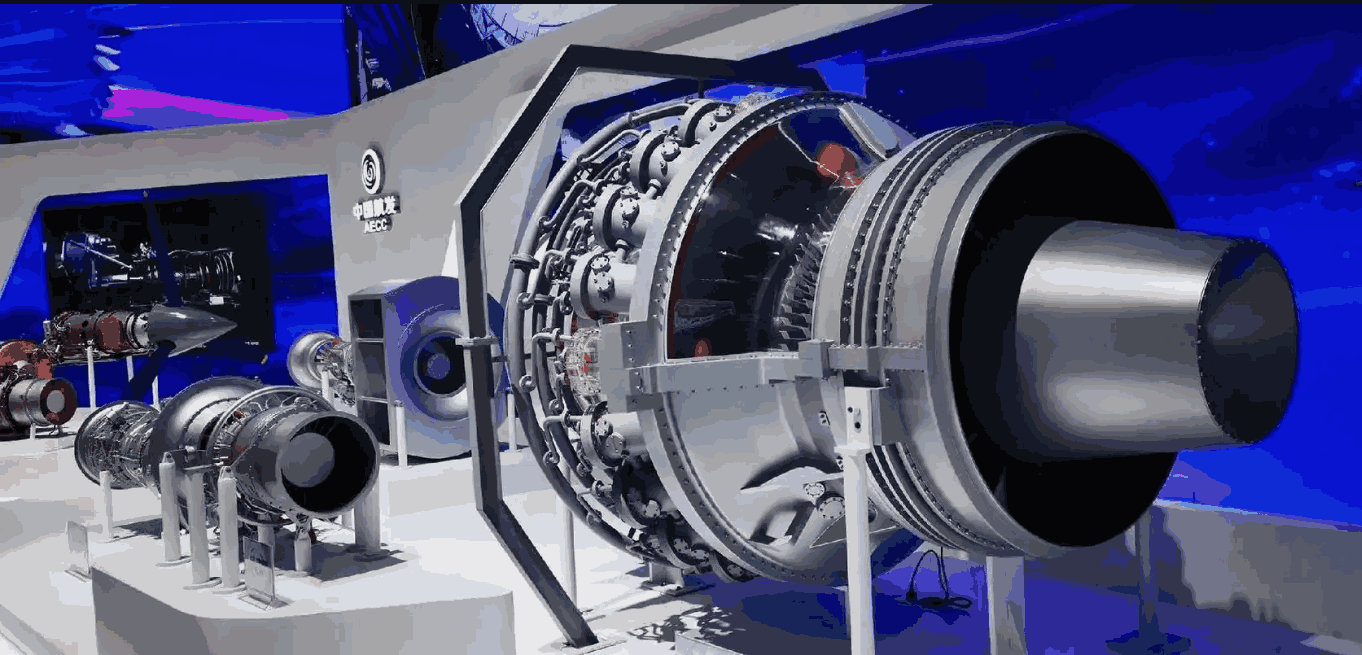
The extreme conditions within aircraft engines demand materials that can withstand high temperatures and stresses. Titanium fasteners are used extensively in engine assemblies, where their temperature resistance and strength are put to the test. They help secure critical components within the engine, ensuring reliable performance under the most demanding conditions.
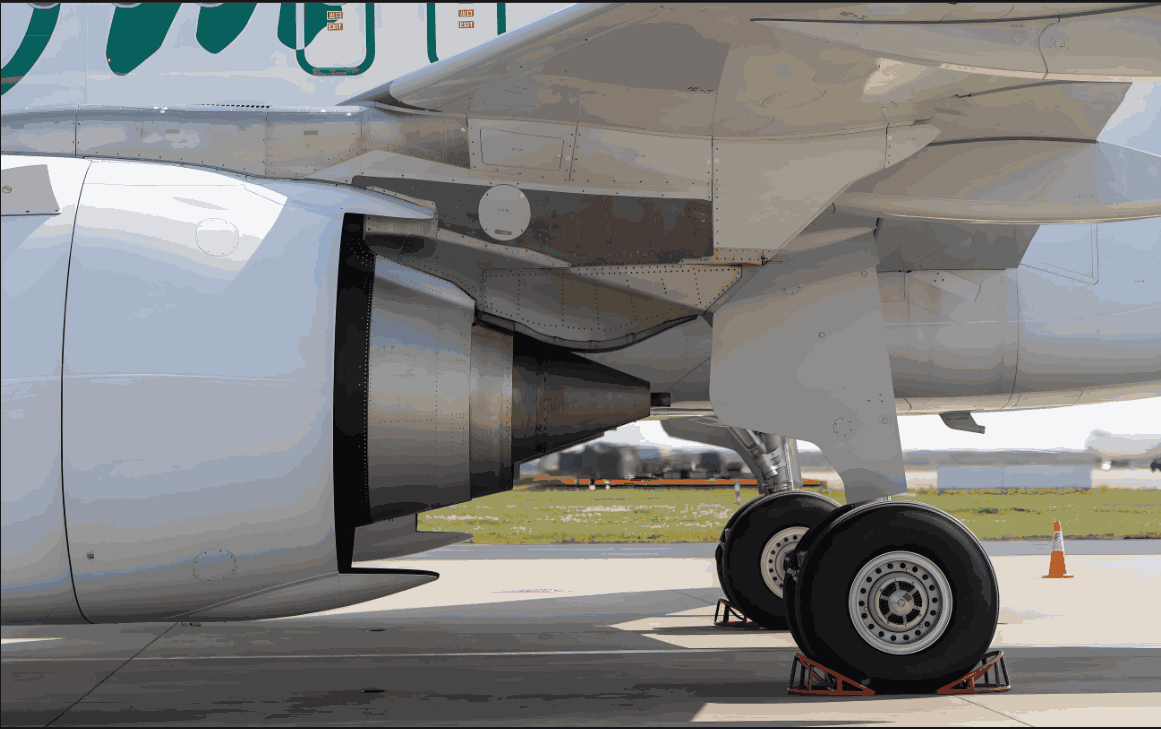
Aircraft landing gear must absorb enormous forces during takeoff and landing. Titanium fasteners are crucial in these assemblies, providing the necessary strength to withstand impact forces while contributing to weight reduction. Their corrosion resistance is particularly valuable in this application, as landing gear is exposed to various environmental elements.
Even in the aircraft's interior, titanium fasteners play a role. From seat attachments to overhead compartments, these fasteners contribute to the overall weight reduction of the aircraft while ensuring the safety and security of interior components.
The production of aerospace-grade titanium fasteners requires highly precise machining techniques. Advanced CNC machines are employed to create fasteners with exact dimensions and tolerances. This precision is crucial for ensuring proper fit and function in aerospace applications.
Heat treatment processes are essential in enhancing the mechanical properties of titanium fasteners. These processes can be tailored to achieve specific strength and ductility characteristics, optimizing the fasteners for their intended application within the aircraft.
Various surface treatments are applied to titanium fasteners to further enhance their properties. These may include coatings to improve wear resistance or treatments to enhance fatigue life. Such processes contribute to the overall performance and longevity of the fasteners in aerospace environments.
Rigorous quality control measures are implemented throughout the manufacturing process of aerospace titanium fasteners. From material selection to final inspection, each step is carefully monitored to ensure that the fasteners meet the exacting standards required for aerospace applications.
The primary advantage of titanium fasteners in aerospace applications is the significant weight reduction they offer. By replacing traditional steel fasteners with titanium alternatives, aircraft manufacturers can achieve substantial weight savings, which translate directly into improved fuel efficiency and increased payload capacity.
The superior strength-to-weight ratio of titanium fasteners contributes to enhanced overall aircraft performance. Lighter aircraft require less fuel to achieve the same range and speed, leading to improved operational efficiency and reduced environmental impact.
The corrosion resistance and fatigue strength of titanium fasteners result in increased durability of aircraft components. This translates to longer service intervals, reduced maintenance costs, and improved safety over the lifespan of the aircraft.
The unique properties of titanium allow engineers greater flexibility in aircraft design. The ability to use lighter fasteners without compromising strength enables the creation of more aerodynamic and efficient aircraft structures.
Despite its numerous advantages, the cost of titanium remains a significant challenge. Titanium fasteners are generally more expensive than their steel counterparts, which can impact overall production costs. However, the long-term benefits in terms of fuel savings and reduced maintenance often justify the initial investment.
The production of titanium fasteners requires specialized equipment and expertise. The material's properties, while beneficial in application, can make it challenging to machine and form. Ongoing research and development in manufacturing techniques aim to address these challenges and improve production efficiency.
Research into new titanium alloys continues, with the goal of developing fasteners with even better performance characteristics. These advancements may lead to fasteners that offer improved strength, reduced weight, or enhanced resistance to extreme conditions.
As the use of composite materials in aerospace continues to grow, research is focused on optimizing the interface between titanium fasteners and composite structures. This includes developing new fastener designs and coating technologies to ensure optimal performance in composite-heavy aircraft.
The adoption of titanium fasteners in aerospace applications represents a significant leap forward in aircraft design and performance. These small but crucial components embody the industry's pursuit of lighter, stronger, and more efficient aircraft. As technology continues to advance, the role of titanium fasteners in aerospace is likely to expand further, driving innovations in aircraft design and contributing to the development of more sustainable and capable aerospace vehicles.
The revolution brought about by titanium fasteners in the aerospace industry is a testament to the power of material science in pushing the boundaries of what's possible in flight. As we look to the future, the continued evolution of these critical components promises to unlock new possibilities in aerospace engineering, paving the way for aircraft that are safer, more efficient, and capable of reaching new heights in performance and sustainability.


