

Views: 400 Author: Lasting Titanium Publish Time: 2025-02-24 Origin: Site


Content Menu
>> 1. Extraction and Purification
>> 2. Melting
>> 3. Rolling
>> 4. Annealing
>> 5. Finishing
● Applications of Titanium Sheets
>> 1. Aerospace
● Advantages of Using Titanium Sheets
● Challenges in Working with Titanium Sheets
● Frequently Asked Questions (FAQs)
>> 1. What are the main grades of titanium sheets?
>> 2. How are titanium sheets manufactured?
>> 3. What are the primary applications of titanium sheets?
>> 4. What are the advantages of using titanium sheets?
>> 5. What challenges are associated with working with titanium sheets?
Titanium metal sheets are increasingly becoming a vital material in various industries due to their unique properties, including high strength, low weight, and excellent corrosion resistance. This article delves into the characteristics, applications, manufacturing processes, and advantages of titanium sheets, providing a comprehensive overview for those interested in this remarkable material. As industries continue to evolve, the demand for titanium sheets is expected to rise, driven by their ability to meet the rigorous demands of modern engineering and manufacturing.
Titanium is a chemical element with the symbol Ti and atomic number 22. It is a transition metal known for its high strength-to-weight ratio and resistance to corrosion. Titanium is often alloyed with other metals to enhance its properties, making it suitable for a wide range of applications, from aerospace to medical devices. The discovery of titanium dates back to 1791, and since then, it has been recognized for its remarkable characteristics, leading to its widespread use in various high-performance applications.
1. Strength: Titanium is known for its exceptional strength, which is comparable to that of steel but significantly lighter. This property makes it an ideal choice for applications where weight reduction is crucial, such as in aerospace and automotive industries.
2. Corrosion Resistance: It exhibits excellent resistance to corrosion in various environments, including seawater and acidic conditions. This resistance is due to the formation of a protective oxide layer on its surface, which prevents further oxidation and degradation.
3. Biocompatibility: Titanium is non-toxic and biocompatible, making it ideal for medical implants and devices. Its compatibility with human tissue allows for successful integration into the body, reducing the risk of rejection and complications.
4. Low Density: Titanium has a low density, which contributes to its lightweight nature, making it a preferred choice in aerospace applications. This characteristic allows for the design of lighter aircraft, leading to improved fuel efficiency and performance.
Titanium sheets are available in various grades, each with specific properties and applications. The most common grades include:
- Grade 1: Commercially pure titanium with excellent corrosion resistance and formability. It is often used in chemical processing and marine applications due to its ability to withstand harsh environments.
- Grade 2: The most widely used titanium grade, offering a balance of strength and corrosion resistance. It is commonly found in aerospace components and medical devices, where both properties are essential.
- Grade 5 (Ti-6Al-4V): An alloy of titanium with aluminum and vanadium, known for its high strength and heat resistance, commonly used in aerospace and medical applications. This grade is particularly valued for its ability to withstand high temperatures and stresses.
- Grade 23: A low-alloy titanium that is highly biocompatible, often used in medical implants. Its unique properties make it suitable for applications where human interaction is involved, such as dental and orthopedic implants.
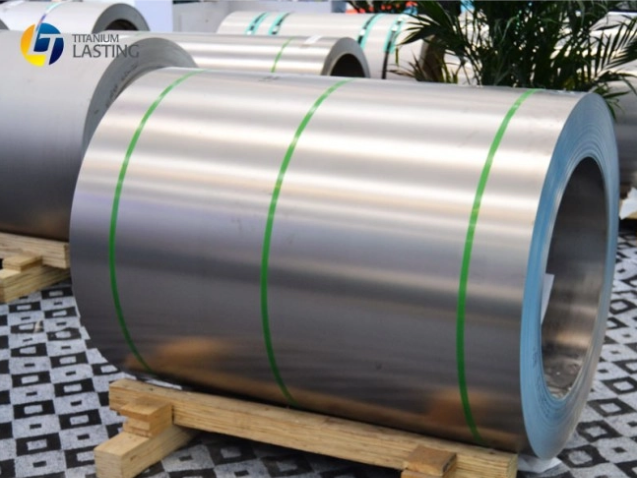
The production of titanium sheets involves several key processes:
Titanium is primarily extracted from ores such as rutile and ilmenite. The extraction process involves the Kroll process, where titanium tetrachloride is reduced using magnesium to produce titanium sponge. This method is favored for its efficiency and ability to produce high-purity titanium, which is essential for many applications.
The titanium sponge is then melted in a vacuum or inert atmosphere to prevent contamination. This process can be done using various methods, including the electron beam melting (EBM) and vacuum arc remelting (VAR) techniques. These methods ensure that the final product is free from impurities, which is crucial for maintaining the material's integrity and performance.
Once melted, the titanium is cast into slabs, which are then hot-rolled into sheets. The rolling process involves passing the slabs through rollers at high temperatures to achieve the desired thickness and surface finish. This step is critical for ensuring uniformity in the sheets, which is important for their performance in various applications.
After rolling, the sheets may undergo an annealing process to relieve internal stresses and improve ductility. This step is crucial for ensuring the sheets can be easily formed into various shapes. Annealing also enhances the material's mechanical properties, making it more suitable for demanding applications.
Finally, the titanium sheets are subjected to finishing processes, which may include surface treatments to enhance corrosion resistance and aesthetic appeal. These treatments can involve polishing, coating, or anodizing, depending on the intended application and desired properties.
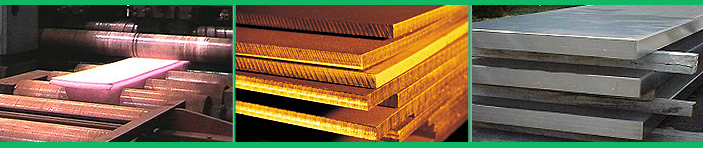
Titanium sheets are utilized across various industries due to their unique properties. Some notable applications include:
In the aerospace industry, titanium sheets are used for aircraft components, including airframes, engine parts, and landing gear. Their lightweight nature helps improve fuel efficiency and overall performance. The use of titanium in aerospace applications has led to significant advancements in aircraft design, allowing for faster, more efficient, and safer flights.
Titanium's biocompatibility makes it an ideal material for medical implants, such as hip and knee replacements, dental implants, and surgical instruments. The ability of titanium to integrate seamlessly with human tissue has revolutionized the field of orthopedics and dentistry, providing patients with durable and reliable solutions.
Due to their corrosion resistance, titanium sheets are used in marine environments for components like ship hulls, propellers, and underwater equipment. The ability to withstand harsh saltwater conditions without degrading makes titanium an invaluable material in the maritime industry.
Titanium sheets are employed in chemical processing equipment, such as heat exchangers and reactors, where resistance to corrosive substances is essential. Their durability and resistance to chemical attack make them ideal for use in industries that handle aggressive chemicals.
In the automotive industry, titanium is used for high-performance components, including exhaust systems and suspension parts, where weight reduction is critical. The use of titanium in automotive applications not only enhances performance but also contributes to improved fuel efficiency and reduced emissions.
1. Durability: Titanium sheets are highly durable and can withstand harsh environments, making them suitable for long-term use. Their resistance to wear and tear ensures that components maintain their integrity over time.
2. Weight Savings: The lightweight nature of titanium allows for significant weight savings in applications where every gram counts. This characteristic is particularly beneficial in industries like aerospace and automotive, where reducing weight can lead to substantial performance improvements.
3. Corrosion Resistance: Their ability to resist corrosion extends the lifespan of components, reducing maintenance costs. This property is especially important in industries that operate in corrosive environments, such as chemical processing and marine applications.
4. Versatility: Titanium sheets can be easily fabricated into various shapes and sizes, making them adaptable to different applications. This versatility allows manufacturers to create custom solutions tailored to specific needs.
While titanium sheets offer numerous advantages, there are challenges associated with their use:
1. Cost: Titanium is more expensive than many other metals, which can be a barrier for some applications. The high cost of raw materials and processing can limit its use in cost-sensitive industries.
2. Machinability: Titanium can be difficult to machine due to its strength and tendency to work-harden, requiring specialized tools and techniques. This challenge necessitates careful planning and execution during the manufacturing process to ensure precision and quality.
3. Welding: Welding titanium requires careful control of the environment to prevent contamination, making it a more complex process compared to other metals. Proper techniques and equipment are essential to achieve strong, reliable welds without compromising the material's properties.
Titanium metal sheets are a remarkable material with a wide range of applications across various industries. Their unique properties, including strength, corrosion resistance, and lightweight nature, make them an ideal choice for demanding environments. As technology advances, the use of titanium sheets is expected to grow, further solidifying their place in modern manufacturing and engineering. The ongoing research and development in titanium alloys and processing techniques promise to unlock even more potential for this versatile material in the future.
The main grades of titanium sheets include Grade 1, Grade 2, Grade 5 (Ti-6Al-4V), and Grade 23, each with specific properties suited for different applications. Understanding these grades is crucial for selecting the right material for a given project.
Titanium sheets are manufactured through a series of processes, including extraction, melting, rolling, annealing, and finishing. Each step is essential for ensuring the quality and performance of the final product.
Titanium sheets are used in aerospace, medical devices, marine applications, chemical processing, and automotive industries. Their versatility makes them suitable for a wide range of demanding applications.
The advantages include durability, weight savings, corrosion resistance, and versatility in fabrication. These properties make titanium sheets a preferred choice in many high-performance applications.
Challenges include high cost, machinability issues, and complexities in welding due to the need for a controlled environment. Addressing these challenges is essential for successful implementation in various industries.


