

Views: 369 Author: Lasting titanium Publish Time: 2025-09-24 Origin: Site


Content Menu
● Corrosion Resistance in Harsh Environments
● High Strength-to-Weight Ratio
● Mechanical Strength at Elevated Temperatures
● Resistance to Erosion and Wear
● Compatibility with Aggressive Chemicals
● Environmental and Safety Benefits
● Applications in Offshore Oil and Gas
● Economic Considerations: Cost vs. Value
>> Related Questions and Answers
Offshore oil and gas pipelines face some of the most challenging conditions in the industrial world. These pipelines must withstand highly corrosive seawater, tremendous pressure at great depths, extreme temperature swings, and constant mechanical stress while transporting hazardous materials. Selecting the right pipe material is critical not only for operational efficiency but also for environmental safety and economic feasibility. Titanium pipes have become increasingly recognized as the optimal choice for these demanding applications. Their unique properties combine strength, corrosion resistance, and durability, making them highly suitable for the extreme conditions offshore pipelines endure. This article explores these exceptional qualities of titanium pipes and explains why they are preferred for offshore oil and gas operations.
One of the most critical challenges for offshore pipelines is corrosion caused by constant exposure to seawater and aggressive chemical agents within the transported fluids. Unlike traditional steel pipes, which are prone to rust, pitting, and other types of corrosion in chloride-rich marine environments, titanium naturally forms a very stable and protective oxide film on its surface. This thin layer acts as a barrier that resists chloride attack and prevents corrosion. Consequently, titanium pipelines maintain their integrity and performance for decades, even in extremely corrosive conditions. Fewer corrosion-related failures mean reduced risk of environmental contamination, lower maintenance costs, and minimized downtime, which are vital for offshore oilfield profitability.
The corrosion resistance extends to resistance against crevice and stress corrosion cracking, common problems in offshore settings. This reduces the likelihood of catastrophic pipe failures, which can be expensive and hazardous to remediate.
Titanium's combination of high strength and low density benefits offshore pipeline construction in multiple ways. Titanium alloys have strength comparable to steel types but weigh approximately 40-45% less. This significant weight reduction is particularly advantageous for subsea and floating platform installations where load limits are strict and handling heavier materials increases complexity and cost.
Lighter titanium pipes facilitate easier transportation to remote offshore sites and reduce the overall weight burden on supporting structures, such as risers and platforms. This can lead to design savings through the use of lighter lifting equipment and reduced foundation sizes. In dynamic marine environments where vibrations and motion affect pipelines, the reduced weight also helps mitigate fatigue and dynamic stresses.
Offshore pipelines often transport oil and gas at elevated temperatures, sometimes ranging from 100°C up to 400°C or more. Many conventional piping materials lose strength and deform at these temperatures, which can compromise operational safety and pipeline lifespan. Titanium and its alloys maintain excellent mechanical properties and dimensional stability across a wide temperature range, enabling stable and reliable operation during temperature fluctuations common in extraction and processing.
The stability of titanium at high temperatures also reduces the risks of thermal fatigue, deformation, or creep, hazards that could necessitate frequent replacements or repairs. Hence, titanium pipes ensure safer, long-lasting fluid transport in heat-intensive applications, including hot oil or steam injection pipelines.
Many offshore pipelines carry fluid mixtures containing sand, silt, or other abrasive particles that cause internal erosion. Constant flow-induced wear can thin pipe walls over time, increasing rupture risks. Titanium demonstrates superior erosion resistance compared to steel or nickel alloys. Its toughness and surface hardness fend off erosive wear, maintaining pipe wall thickness and integrity far longer.
This resistance also reduces the need for internal coatings or linings, which can fail or increase maintenance demands. As offshore pipelines face highly variable flow conditions, often starting and stopping or carrying multiphase fluids, erosion resilience ensures longevity and operational stability where other materials might degrade rapidly.
The oil and gas extracted offshore often contain sour gases (like hydrogen sulfide), acids, and other reactive chemicals that degrade many piping materials. Titanium's unique chemical inertness makes it highly compatible with these aggressive substances found in crude oil, natural gas, and processing chemicals.
This inertness prevents contamination via material leaching or chemical breakdown and protects the pipeline infrastructure from internal chemical attack. It also minimizes the risk of reaction-induced mechanical damages such as hydrogen embrittlement. Titanium pipe integrity thus supports not only safe fluid containment but also product purity across offshore transport systems.
Fatigue failure, caused by repeated stress cycles from pressure fluctuations, waves, platform motions, and other dynamic forces, is a significant concern in offshore pipelines. Titanium alloys possess outstanding fatigue resistance, able to withstand millions of cyclic loadings without cracking or permanent deformation. This resilience is critical for pipeline safety over extended service periods, particularly in marine environments where continuous wave action induces complex loading patterns.
By resisting fatigue, titanium pipes reduce pipeline failure incidents and minimize costly interruptions, repairs, or replacements. The improved lifecycle reliability supports the trend toward deeper offshore exploration, where conditions impose even greater mechanical challenges.
Environmental protection and operational safety are paramount in offshore oil and gas activities. Titanium's corrosion resistance, erosion protection, and chemical inertness reduce the risk of leaks and ruptures, which can lead to devastating oil spills or gas leaks. A leak in an offshore pipeline poses significant ecological hazards and endangers workers' lives, making titanium's performance a critical safety factor.
Besides its safety advantages, titanium is a sustainable material. It is highly recyclable with minimal loss of quality, contributing to environmental stewardship efforts within the energy industry. These characteristics meet increasing global demands for greener, more responsible offshore operations.
Titanium pipes are applied in many critical offshore components due to their performance advantages. They are used extensively in subsea pipeline systems that transport oil, gas, and injection fluids under the seabed. Titanium's strength and corrosion resistance also make it ideal for offshore drilling platform piping, including risers, production lines, and chemical injection systems.
Other applications include downhole tubing and casings that face extreme pressures and sour gas exposure. Titanium's resistance to erosion and fatigue suits it well for firewater systems, ballast water handling, and process piping where durability is essential. These myriad uses underline titanium's versatility and essential role in modern offshore petroleum engineering.
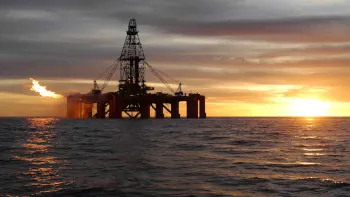
While titanium pipes have a higher initial purchase cost compared to traditional steel or alloy pipes, the long-term value they provide often outweighs this upfront investment. Their extended service life, reduced maintenance requirements, and fewer unscheduled shutdowns translate to substantial cost savings over the pipeline's operational span.
Offshore repairs are notoriously expensive and logistically complex, so materials that limit failures directly impact overall project economics. Additionally, the decreased structural support requirements and installation efficiencies lower the total capital expenditure. Hence, titanium's lifecycle cost advantage and operational reliability justify its growing adoption in offshore pipeline construction.
1. Why is corrosion resistance important for offshore pipelines?
Offshore pipelines are exposed to highly corrosive seawater and chemicals. Corrosion resistance in titanium ensures pipelines maintain integrity and avoid leaks or catastrophic failures, enhancing safety and reducing costly repairs.
2. How does titanium's weight compare to steel?
Titanium is about 40-45% lighter than steel yet possesses comparable strength. This reduces the weight burden on offshore platforms and simplifies installation logistics.
3. Can titanium withstand high temperatures in oil and gas operations?
Yes, titanium retains its mechanical properties and dimensional stability at temperatures exceeding 400°C, making it reliable for hot fluid transport in offshore systems.
4. What makes titanium suitable for pipelines transporting chemicals?
Titanium is chemically inert to many aggressive substances found in petroleum and gas processing, preventing material degradation or contamination.
5. Is titanium cost-effective despite its initial price?**
Though titanium has a higher upfront cost, its longevity, minimal maintenance, and safety benefits offer a favorable lifecycle cost, making it economically viable for offshore pipelines.


