

Views: 299 Author: Lasting Titanium Publish Time: 2024-11-01 Origin: Site


Content Menu
● Introduction to Titanium Seamless Tubes and Pipes
● What Makes Titanium Seamless Tubes Unique?
>> Exceptional Strength-to-Weight Ratio
>> High Temperature Resistance
● Applications of Titanium Seamless Tubes and Pipes
● Specifications of Titanium Seamless Tubes
● Manufacturing Process of Titanium Seamless Tubes
● Advantages of Choosing Titanium Seamless Tubes
>> What are the main advantages of titanium seamless tubes?
>> In which industries are titanium seamless tubes commonly used?
>> What grades of titanium are available for seamless tubes?
>> How are titanium seamless tubes manufactured?
>> Why should I choose titanium seamless tubes over other materials?
Titanium seamless tubes and pipes are increasingly popular in various industries due to their unique properties. These tubes are manufactured without any welds, which enhances their strength and durability. The seamless design allows for a uniform structure, making them ideal for high-pressure applications. This article explores the benefits, applications, and specifications of titanium seamless tubes and pipes, providing a comprehensive understanding of why they are a preferred choice in many sectors. The growing demand for lightweight and high-strength materials has led to a significant increase in the use of titanium in engineering and manufacturing processes, making it a material of choice for many innovative applications.
One of the most significant advantages of titanium seamless tubes is their exceptional strength-to-weight ratio. Titanium is known for being incredibly strong while remaining lightweight. This characteristic is particularly beneficial in industries such as aerospace and automotive, where reducing weight without compromising strength is crucial. For instance, in aerospace applications, every kilogram saved can lead to substantial fuel savings over time, making titanium an economically viable option. Additionally, the lightweight nature of titanium allows for more efficient designs and structures, enabling engineers to push the boundaries of innovation while maintaining safety and performance standards.
Titanium exhibits excellent resistance to corrosion, making it suitable for use in harsh environments. This property is especially important in chemical processing, marine applications, and medical devices, where exposure to corrosive substances can lead to material degradation. The seamless nature of these tubes further enhances their resistance to corrosion, as there are no welds that could potentially weaken the structure. In marine environments, for example, titanium's ability to withstand saltwater corrosion ensures that components remain functional and reliable over extended periods, reducing the need for frequent replacements and maintenance. This durability translates into long-term cost savings for businesses operating in challenging conditions.
Titanium can withstand high temperatures without losing its mechanical properties. This makes titanium seamless tubes ideal for applications in high-temperature environments, such as power generation and aerospace. The ability to maintain integrity under extreme conditions is a significant advantage over other materials. For example, in jet engines, titanium components can endure the intense heat generated during flight, ensuring optimal performance and safety. Furthermore, the thermal stability of titanium allows for its use in applications where thermal expansion and contraction are critical factors, providing engineers with greater design flexibility.

In the aerospace sector, titanium seamless tubes are used in various applications, including airframes, engine components, and exhaust systems. The lightweight nature of titanium helps improve fuel efficiency while maintaining structural integrity. As the aerospace industry continues to seek ways to enhance performance and reduce environmental impact, the use of titanium is becoming increasingly prevalent. Moreover, the high strength and fatigue resistance of titanium make it an ideal choice for components that experience significant stress during operation, ensuring safety and reliability in flight.
Titanium is biocompatible, making it an excellent choice for medical implants and devices. Seamless tubes are often used in surgical instruments, orthopedic implants, and dental applications. Their corrosion resistance ensures longevity and reliability in the human body. The use of titanium in medical applications has revolutionized the field, allowing for the development of implants that integrate seamlessly with bone and tissue. Additionally, the lightweight nature of titanium reduces the overall burden on patients, enhancing comfort and recovery times. As medical technology advances, the demand for titanium seamless tubes in innovative applications, such as drug delivery systems and advanced prosthetics, is expected to grow.
The chemical industry frequently utilizes titanium seamless tubes due to their resistance to corrosive chemicals. These tubes are used in reactors, heat exchangers, and piping systems, where durability and reliability are paramount. The ability of titanium to withstand aggressive environments without degrading ensures that processes remain efficient and safe. Furthermore, the seamless design minimizes the risk of leaks and failures, which can have catastrophic consequences in chemical processing. As industries continue to prioritize safety and environmental responsibility, the demand for titanium seamless tubes is likely to increase.
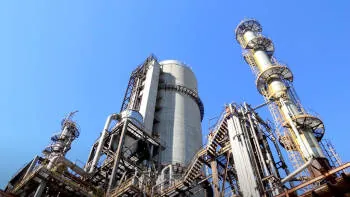
In marine environments, titanium's resistance to saltwater corrosion makes it a preferred material for various applications, including shipbuilding and offshore oil drilling. Seamless tubes are used in piping systems and structural components, ensuring longevity and performance in challenging conditions. The use of titanium in marine applications not only enhances the durability of vessels and structures but also contributes to overall operational efficiency. For instance, the lightweight nature of titanium allows for faster vessel speeds and improved fuel efficiency, making it an attractive option for shipbuilders and operators alike.
Titanium seamless tubes are available in various grades, each offering different properties. The most common grades include:
· Grade 1: Commercially pure titanium with excellent corrosion resistance and formability. This grade is often used in applications where high strength is not a primary concern but where corrosion resistance is critical.
· Grade 2: The most widely used titanium grade, offering a balance of strength and corrosion resistance. It is suitable for a variety of applications, including chemical processing and marine environments.
· Grade 5 (Ti-6Al-4V): An alloy that provides high strength and is commonly used in aerospace applications. This grade is known for its excellent mechanical properties and is often used in critical components that require both strength and lightweight characteristics.

Titanium seamless tubes are manufactured according to various international standards, including ASTM B338 and ASTM B861. These standards specify the dimensions, tolerances, and mechanical properties required for different applications. The tubes can be produced in various diameters and wall thicknesses, catering to specific project requirements. This flexibility in manufacturing allows engineers and designers to select the most appropriate specifications for their projects, ensuring optimal performance and safety.
The manufacturing of titanium seamless tubes involves several steps, including:
. Billet Preparation: Titanium billets are heated and extruded to form a hollow tube. This initial step is crucial for ensuring the material's properties are preserved during the manufacturing process.
. Piercing: The billet is pierced to create a hollow center, forming the seamless tube. This process requires precision to maintain the integrity of the tube.
. Rolling: The tube is then rolled to achieve the desired diameter and wall thickness. This step is essential for ensuring uniformity and consistency in the final product.
. Heat Treatment: The tubes undergo heat treatment to enhance their mechanical properties. This process can significantly improve strength and ductility, making the tubes suitable for demanding applications.
. Finishing: Finally, the tubes are polished and inspected for quality assurance. This step ensures that the final product meets the required specifications and standards.
Titanium seamless tubes are known for their durability and longevity. Their resistance to corrosion and high temperatures ensures that they can withstand harsh conditions, making them a cost-effective choice in the long run. The extended lifespan of titanium components reduces the frequency of replacements, leading to lower overall costs for businesses. Additionally, the reliability of titanium in critical applications enhances safety and performance, making it a trusted material in various industries.
Due to their robust nature, titanium seamless tubes require less maintenance compared to other materials. This reduction in maintenance needs translates to lower operational costs, particularly in industries where downtime can be costly. For example, in chemical processing plants, the use of titanium can minimize the risk of leaks and failures, reducing the need for frequent inspections and repairs. This reliability not only saves money but also enhances productivity, allowing businesses to focus on their core operations.
Manufacturers often offer customization options for titanium seamless tubes, allowing clients to specify dimensions, grades, and finishes according to their project needs. This flexibility ensures that the tubes meet the exact requirements of various applications. Customization can also include surface treatments and coatings that enhance specific properties, such as wear resistance or aesthetic appeal. This adaptability makes titanium seamless tubes suitable for a wide range of industries and applications, from high-performance aerospace components to specialized medical devices.
Titanium seamless tubes and pipes offer numerous benefits, including exceptional strength, corrosion resistance, and high-temperature performance. Their applications span across various industries, from aerospace to medical devices, highlighting their versatility and reliability. As technology advances, the demand for titanium seamless tubes is expected to grow, making them a vital component in modern engineering and manufacturing. The ongoing research and development in titanium alloys and manufacturing techniques will likely lead to even more innovative applications, further solidifying titanium's position as a material of choice in the future.
Titanium seamless tubes offer a high strength-to-weight ratio, excellent corrosion resistance, and the ability to withstand high temperatures, making them ideal for various applications.
Titanium seamless tubes are commonly used in the aerospace, medical, chemical processing, and marine industries due to their unique properties.
Common grades for titanium seamless tubes include Grade 1, Grade 2, and Grade 5 (Ti-6Al-4V), each offering different properties suitable for various applications.
The manufacturing process involves billet preparation, piercing, rolling, heat treatment, and finishing to ensure high-quality seamless tubes.
Choosing titanium seamless tubes can lead to reduced maintenance costs, increased durability, and customization options, making them a cost-effective choice for demanding applications.


