

Views: 400 Author: Lasting Titanium Publish Time: 2025-02-03 Origin: Site


Content Menu
● Understanding Titanium and Steel
● Properties of Titanium and Steel
● Applications of Titanium and Steel
>> Titanium Manufacturing Challenges
>> Steel Manufacturing Challenges
● Future Trends in Titanium and Steel Manufacturing
>> Innovations in Titanium Manufacturing
>> Innovations in Steel Manufacturing
>> 1. What are the main differences between titanium and steel?
>> 2. Why is titanium so expensive?
>> 3. Can titanium be recycled?
>> 4. What are the environmental impacts of steel manufacturing?
>> 5. How does additive manufacturing benefit titanium production?
The manufacturing of titanium and steel is a critical aspect of modern industry, playing a vital role in various sectors, including aerospace, automotive, construction, and medical devices. Both materials possess unique properties that make them suitable for different applications. This article delves into the manufacturing processes, properties, applications, and challenges associated with titanium and steel, providing a comprehensive overview of their significance in today's world. Understanding these materials not only highlights their importance in engineering and manufacturing but also sheds light on the innovations and advancements that continue to shape their use in various industries.
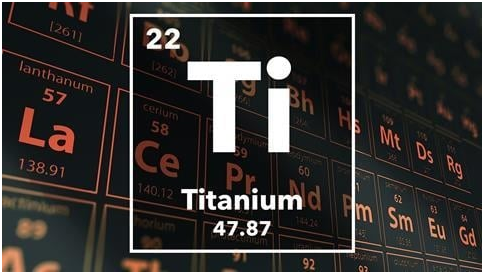
Titanium is a transition metal known for its high strength-to-weight ratio, corrosion resistance, and biocompatibility. It is the ninth most abundant element in the Earth's crust and is primarily extracted from minerals such as rutile and ilmenite. Titanium is often used in applications where strength and lightweight properties are crucial, such as in aerospace components, medical implants, and high-performance automotive parts. Its unique properties make it an ideal choice for environments that demand durability and resistance to extreme conditions, such as high temperatures and corrosive substances. Additionally, titanium's ability to form a protective oxide layer enhances its resistance to corrosion, making it a preferred material in marine and chemical processing applications.
Steel is an alloy primarily composed of iron and carbon, with varying amounts of other elements. It is one of the most widely used materials in the world due to its versatility, strength, and durability. Steel is used in construction, manufacturing, automotive, and many other industries. The properties of steel can be modified by changing its composition and processing methods, leading to various grades and types, including stainless steel, carbon steel, and alloy steel. The adaptability of steel allows it to be tailored for specific applications, making it a fundamental material in modern engineering. Its ability to be recycled also contributes to its sustainability, as recycled steel retains most of its original properties and can be reused in new products.
The manufacturing of titanium involves several key processes:
1. Extraction: Titanium is extracted from its ores through a process called the Kroll process, which involves converting titanium tetrachloride (TiCl4) into titanium sponge using magnesium. This process is energy-intensive and requires careful control to ensure high purity levels in the final product.
2. Melting: The titanium sponge is then melted in a vacuum or inert atmosphere to produce titanium ingots. This step is crucial to eliminate impurities and ensure the quality of the final product. The melting process often employs techniques such as electron beam melting (EBM) or vacuum arc remelting (VAR), which help achieve the desired material properties.
3. Forming: The melted titanium is shaped into various forms, such as bars, sheets, and plates, through processes like forging, rolling, and extrusion. These forming techniques allow manufacturers to create components with specific geometries and mechanical properties tailored to their applications.
4. Finishing: The final products undergo surface treatment processes, such as anodizing or coating, to enhance their corrosion resistance and aesthetic appeal. Finishing processes are essential for improving the performance of titanium in demanding environments, ensuring longevity and reliability in applications.
The manufacturing of steel typically involves the following steps:
1. Ironmaking: Iron ore is smelted in a blast furnace to produce molten iron, which is then converted into steel. This initial step is critical as it sets the foundation for the quality and characteristics of the final steel product.
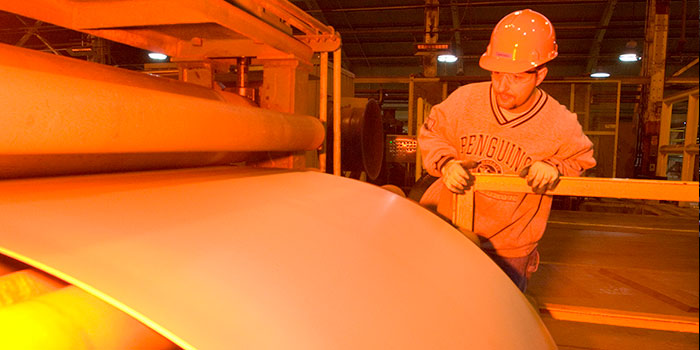
2. Steelmaking: The molten iron is refined in a basic oxygen furnace (BOF) or an electric arc furnace (EAF) by adding scrap steel and other alloying elements. This process removes impurities and adjusts the composition to achieve the desired steel grade. The choice of steelmaking method can significantly impact the energy consumption and environmental footprint of the production process.
3. Casting: The molten steel is cast into various shapes, such as slabs, blooms, or billets, depending on the intended application. Continuous casting has become a popular method, allowing for more efficient production and reduced waste.
4. Forming and Finishing: Similar to titanium, steel products are further processed through rolling, forging, and machining to achieve the final dimensions and surface finish. These processes are crucial for ensuring that the steel components meet the stringent requirements of their intended applications.
- Strength: Titanium has a high tensile strength, making it suitable for load-bearing applications. Its strength-to-weight ratio is superior to that of many other metals, allowing for lighter structures without compromising performance.
- Lightweight: It is significantly lighter than steel, which is advantageous in aerospace and automotive applications. This lightweight characteristic contributes to fuel efficiency and overall performance in vehicles and aircraft.
- Corrosion Resistance: Titanium is highly resistant to corrosion, particularly in harsh environments, making it ideal for chemical processing and marine applications. Its ability to withstand oxidation and other corrosive agents extends the lifespan of components made from titanium.
- Biocompatibility: Titanium is non-toxic and compatible with human tissue, making it a preferred material for medical implants. Its use in surgical applications has revolutionized the field of orthopedics and dental implants, providing patients with durable and reliable solutions.
- Versatility: Steel can be alloyed with various elements to enhance its properties, making it suitable for a wide range of applications. This versatility allows for the creation of specialized steel grades that meet specific performance criteria.
- Cost-Effectiveness: Steel is generally more affordable than titanium, making it a popular choice in construction and manufacturing. Its widespread availability and established production methods contribute to its cost-effectiveness.
- Durability: Steel exhibits excellent durability and can withstand significant stress and strain. Its mechanical properties make it an ideal choice for structural applications, where safety and reliability are paramount.
- Machinability: Steel is easier to machine than titanium, allowing for more complex shapes and designs. This machinability facilitates the production of intricate components used in various industries.
- Aerospace: Used in aircraft structures, engine components, and landing gear due to its lightweight and strength. The aerospace industry relies heavily on titanium to reduce weight and improve fuel efficiency in aircraft.
- Medical: Employed in surgical implants, dental devices, and prosthetics because of its biocompatibility. Titanium's ability to integrate with bone tissue makes it an ideal choice for orthopedic implants.
- Marine: Utilized in shipbuilding and offshore structures due to its corrosion resistance. Titanium components are often used in environments exposed to seawater, where traditional materials would fail.
- Chemical Processing: Used in reactors, heat exchangers, and piping systems in corrosive environments. The chemical industry benefits from titanium's resistance to aggressive chemicals, ensuring the longevity of equipment.
- Construction: Steel is a primary material in building structures, bridges, and infrastructure due to its strength and versatility. Its use in construction has enabled the development of skyscrapers and large-scale projects.
- Automotive: Used in vehicle frames, body panels, and engine components for its durability and cost-effectiveness. The automotive industry continues to innovate with advanced high-strength steels to improve safety and performance.
- Manufacturing: Steel is essential in producing machinery, tools, and equipment across various industries. Its machinability and strength make it a preferred material for manufacturing processes.
- Energy: Employed in the construction of pipelines, power plants, and renewable energy systems. Steel's durability and resistance to environmental factors make it suitable for energy infrastructure.
- Cost: The extraction and processing of titanium are expensive, making it less accessible for some applications. The high cost can limit its use in industries where budget constraints are a concern.
- Machinability: Titanium can be challenging to machine due to its tendency to work-harden and its low thermal conductivity. This can lead to increased tool wear and production costs.
- Supply Chain: The availability of high-quality titanium ore can be limited, affecting production rates. Fluctuations in supply can impact industries reliant on titanium for critical applications.
- Environmental Impact: Steel production is energy-intensive and contributes to greenhouse gas emissions, prompting the need for more sustainable practices. The industry is under pressure to reduce its carbon footprint and adopt greener technologies.
- Quality Control: Maintaining consistent quality across different steel grades can be challenging due to variations in raw materials and processing methods. Quality assurance measures are essential to ensure that steel products meet industry standards.
- Market Fluctuations: The steel market is subject to price volatility, influenced by global demand and supply dynamics. Economic factors can lead to fluctuations in steel prices, affecting manufacturers and consumers alike.
- Additive Manufacturing: The use of 3D printing technology is gaining traction in titanium manufacturing, allowing for complex geometries and reduced material waste. This technology enables the production of lightweight components that were previously difficult to manufacture.
- Recycling: Advances in recycling processes are making it more feasible to reclaim titanium from scrap materials, reducing costs and environmental impact. The development of efficient recycling methods is crucial for promoting sustainability in titanium production.
- Sustainable Practices: The steel industry is increasingly adopting green technologies, such as electric arc furnaces powered by renewable energy, to reduce carbon emissions. These innovations are essential for meeting global sustainability goals.
- Smart Manufacturing: The integration of IoT and AI in steel manufacturing is enhancing efficiency, quality control, and predictive maintenance. Smart technologies are revolutionizing the way steel is produced, leading to improved productivity and reduced downtime.
The manufacturing of titanium and steel is a cornerstone of modern industry, providing essential materials for a wide range of applications. While both materials have their unique advantages and challenges, ongoing innovations and advancements in manufacturing processes are paving the way for a more sustainable and efficient future. As industries continue to evolve, the demand for high-quality titanium and steel will remain strong, driving further research and development in this critical field. The future of titanium and steel manufacturing promises exciting developments that will enhance their applications and contribute to a more sustainable industrial landscape.
Titanium is lighter and more corrosion-resistant than steel, while steel is generally more cost-effective and easier to machine. Titanium is often used in aerospace and medical applications, whereas steel is prevalent in construction and automotive industries.
The high cost of titanium is primarily due to the complex extraction and processing methods required to produce it, as well as the limited availability of high-quality titanium ore.
Yes, titanium can be recycled, and advancements in recycling technologies are making it more feasible to reclaim titanium from scrap materials, reducing costs and environmental impact.
Steel manufacturing is energy-intensive and contributes to greenhouse gas emissions. However, the industry is increasingly adopting sustainable practices, such as using electric arc furnaces powered by renewable energy, to mitigate its environmental footprint.
Additive manufacturing, or 3D printing, allows for the creation of complex geometries with reduced material waste, making titanium production more efficient and cost-effective.


