

Views: 399 Author: Lasting Titanium Publish Time: 2025-01-10 Origin: Site


Content Menu
● Understanding Titanium Strips
>> Properties of Titanium Strips
● Applications of Titanium Strips
>> Electronics and Electrical Applications
● Manufacturing Processes for Titanium Strips
>> Hot Rolling
>> Cold Rolling
>> Annealing
● Advantages of Using Titanium Strips
● Challenges in Working with Titanium Strips
>> Cost
● Future Trends in Titanium Strip Applications
● Related Questions and Answers
>> 1. What are the main grades of titanium strips?
>> 2. Why are titanium strips used in the aerospace industry?
>> 3. What are the challenges of machining titanium strips?
>> 4. How does titanium compare to other metals in terms of corrosion resistance?
>> 5. What future trends are expected in the use of titanium strips?
Titanium strips are versatile materials that have gained significant attention across various industries due to their unique properties. This article explores the benefits, applications, and characteristics of titanium strips, providing a comprehensive understanding of why they are increasingly favored in modern manufacturing and engineering. The growing demand for lightweight, durable materials has made titanium strips a popular choice, especially in sectors where performance and reliability are paramount.
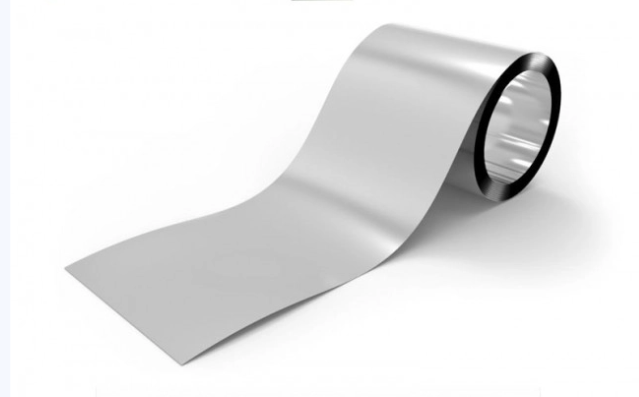
Titanium strips are flat pieces of titanium metal that can be produced in various thicknesses and widths. They are available in different grades, each offering distinct mechanical properties and corrosion resistance. The most common grades include commercially pure titanium (Grade 1 and Grade 2) and titanium alloys (such as Grade 5, which is Ti-6Al-4V). The choice of grade depends on the specific requirements of the application, including strength, weight, and environmental conditions. Understanding these grades is crucial for engineers and manufacturers when selecting the appropriate material for their projects.
Titanium strips are known for their remarkable properties, which include:
- High Strength-to-Weight Ratio: Titanium is significantly lighter than steel but offers comparable strength, making it ideal for applications where weight reduction is crucial. This property is particularly beneficial in aerospace and automotive industries, where every gram counts towards fuel efficiency and performance.
- Corrosion Resistance: Titanium exhibits excellent resistance to corrosion, particularly in harsh environments, which extends the lifespan of components made from it. This resistance is due to the formation of a protective oxide layer on the surface of titanium, making it suitable for marine and chemical applications.
- Biocompatibility: Titanium is non-toxic and biocompatible, making it suitable for medical applications, including implants and surgical instruments. Its compatibility with human tissue reduces the risk of rejection and complications, which is vital for patient safety.
- Temperature Resistance: Titanium maintains its strength and stability at high temperatures, making it suitable for aerospace and automotive applications. This property allows titanium strips to perform well in extreme conditions, such as those found in jet engines and high-performance vehicles.
The versatility of titanium strips allows them to be used in a wide range of applications across various industries.
In the aerospace sector, titanium strips are used in the manufacturing of aircraft components due to their lightweight and strength. They are often found in:
- Aircraft frames and fuselage: The use of titanium strips in structural components helps reduce overall weight, which is critical for improving fuel efficiency and performance.
- Engine components: Titanium strips are used in parts that require high strength and temperature resistance, such as turbine blades and compressor casings.
- Fasteners and brackets: The durability and corrosion resistance of titanium make it an ideal choice for fasteners that must withstand extreme conditions.
The use of titanium strips in aerospace applications helps reduce overall weight, improving fuel efficiency and performance. As the aerospace industry continues to seek ways to enhance efficiency, the demand for titanium strips is expected to grow.
Titanium strips are extensively used in the medical field, particularly in the production of:
- Surgical instruments: The strength and corrosion resistance of titanium make it ideal for surgical tools that require precision and durability.
- Dental implants: Titanium's biocompatibility allows for successful integration with bone, making it the material of choice for dental implants.
- Prosthetics: The lightweight nature of titanium strips contributes to the comfort and functionality of prosthetic devices, improving the quality of life for users.
Their biocompatibility and resistance to corrosion make them ideal for long-term use in the human body. As medical technology advances, the applications of titanium strips in healthcare are likely to expand further.
In the automotive sector, titanium strips are utilized for:
- Exhaust systems: Titanium's heat resistance and lightweight properties make it suitable for high-performance exhaust systems, enhancing vehicle efficiency.
- Suspension components: The strength of titanium strips allows for the production of lightweight yet durable suspension parts, improving handling and performance.
- Engine parts: Titanium is used in various engine components, where its strength-to-weight ratio contributes to overall vehicle performance.
The lightweight nature of titanium helps improve fuel efficiency and performance in vehicles, making it a popular choice among manufacturers. As the automotive industry shifts towards more sustainable practices, the use of titanium strips is expected to increase.
Titanium strips are also used in the electronics industry for:
- Connectors: The corrosion resistance and conductivity of titanium make it suitable for electrical connectors that require reliability in harsh environments.
- Heat sinks: Titanium's thermal properties allow it to effectively dissipate heat, making it ideal for use in electronic devices.
- Shielding applications: Titanium strips can be used to shield sensitive electronic components from electromagnetic interference, ensuring optimal performance.
Their excellent conductivity and resistance to corrosion make them suitable for various electronic components. As technology continues to evolve, the demand for titanium strips in electronics is likely to grow.
In marine environments, titanium strips are favored for their resistance to saltwater corrosion. They are used in:
- Boat fittings: The durability of titanium strips ensures that marine hardware can withstand harsh conditions without degrading.
- Marine hardware: Components such as screws, bolts, and brackets made from titanium offer longevity and reliability in saltwater environments.
- Underwater equipment: Titanium's resistance to corrosion makes it ideal for underwater applications, such as submersible pumps and sensors.
The durability of titanium strips in harsh marine conditions ensures longevity and reliability. As the marine industry continues to seek materials that can withstand extreme environments, titanium strips will play a crucial role.
The production of titanium strips involves several manufacturing processes, including:
Hot rolling is a process where titanium is heated above its recrystallization temperature and then passed through rollers to achieve the desired thickness. This method enhances the mechanical properties of the titanium strips, making them stronger and more ductile. The hot rolling process also allows for the production of larger strips, which can be further processed into various shapes and sizes.
Cold rolling involves reducing the thickness of titanium strips at room temperature. This process improves the surface finish and dimensional accuracy of the strips. Cold rolling also increases the strength of the material through strain hardening, making it suitable for applications that require precise tolerances.
Annealing is a heat treatment process that relieves internal stresses in titanium strips, improving their ductility and toughness. This step is crucial for ensuring the strips can be easily formed into various shapes. Annealing also helps to restore the material's original properties after cold working, making it an essential part of the manufacturing process.
The use of titanium strips offers several advantages, including:
- Weight Savings: The lightweight nature of titanium strips contributes to overall weight reduction in products, which is particularly beneficial in aerospace and automotive applications. This weight savings can lead to improved fuel efficiency and performance.
- Durability: Titanium strips are highly durable and resistant to wear and tear, making them suitable for demanding environments. Their longevity reduces the need for frequent replacements, resulting in cost savings over time.
- Versatility: With various grades and thicknesses available, titanium strips can be tailored to meet specific application requirements. This versatility allows manufacturers to customize their products for optimal performance.
- Cost-Effectiveness: While titanium can be more expensive than other metals, its longevity and performance can lead to cost savings over time. The initial investment in titanium strips is often justified by their extended lifespan and reduced maintenance costs.
Despite their many advantages, there are challenges associated with working with titanium strips:
Titanium is generally more expensive than other metals, which can impact the overall cost of products made from titanium strips. However, the long-term benefits often justify the initial investment. Manufacturers must weigh the upfront costs against the potential savings in maintenance and replacement.
Machining titanium can be challenging due to its strength and toughness. Specialized tools and techniques are often required to achieve precise cuts and shapes. The need for advanced machining capabilities can increase production costs and lead times.
Welding titanium strips requires careful control of the environment to prevent contamination. This can complicate the manufacturing process and increase costs. Proper training and equipment are essential to ensure successful welding of titanium components.
As technology advances, the applications of titanium strips are expected to expand further. Innovations in manufacturing processes and alloy development may lead to even more efficient and cost-effective uses of titanium strips in various industries.
With a growing emphasis on sustainability, the titanium industry is exploring ways to reduce waste and improve recycling processes. This could enhance the environmental footprint of titanium strip production. Manufacturers are increasingly looking for ways to minimize energy consumption and reduce emissions during production.
Research into new titanium alloys may lead to improved properties, making titanium strips even more versatile and applicable in demanding environments. These advancements could open up new markets and applications for titanium strips, further solidifying their position as a preferred material in various industries.
Titanium strips are a vital component in many industries, offering a unique combination of strength, lightweight, and corrosion resistance. Their applications range from aerospace to medical devices, showcasing their versatility and importance in modern manufacturing. As technology continues to evolve, the potential for titanium strips will only grow, making them an essential material for the future. The ongoing research and development in titanium alloys and manufacturing processes will likely lead to even more innovative applications, ensuring that titanium strips remain at the forefront of material science.
The main grades include commercially pure titanium (Grade 1 and Grade 2) and titanium alloys (such as Grade 5, Ti-6Al-4V).
Their lightweight and high strength make them ideal for reducing overall aircraft weight, improving fuel efficiency and performance.
Machining titanium can be difficult due to its strength and toughness, requiring specialized tools and techniques.
Titanium has superior corrosion resistance compared to many other metals, making it suitable for harsh environments.
Future trends may include advancements in sustainable practices and the development of new titanium alloys for enhanced performance.


