

Views: 390 Author: Lasting Titanium Publish Time: 2025-01-24 Origin: Site


Content Menu
● Understanding Titanium Sheets
>> What Makes Titanium Unique?
>> The Manufacturing Process of Titanium Sheets
● Benefits of Using Titanium Sheets
>> High Temperature Resistance
>> Versatility
● Applications of Titanium Sheets
● Challenges in Using Titanium Sheets
>> Cost
● Future Trends in Titanium Sheet Usage
>> Sustainability Considerations
>> 1. What are the main grades of titanium sheets?
>> 2. Why is titanium preferred in the aerospace industry?
>> 3. Can titanium sheets be recycled?
>> 4. What are the challenges of working with titanium sheets?
>> 5. How does titanium compare to other metals?
Titanium sheets are increasingly becoming a popular choice in various industries due to their unique properties. This article explores the benefits, applications, and characteristics of titanium sheets, providing a comprehensive understanding of why they are favored in many sectors. The versatility and performance of titanium sheets make them a subject of interest for engineers, manufacturers, and researchers alike.
Titanium sheets are flat pieces of titanium metal that are produced through various manufacturing processes. They are available in different grades, thicknesses, and sizes, making them versatile for numerous applications. The most common grades of titanium used for sheets include Grade 1, Grade 2, Grade 5 (Ti-6Al-4V), and Grade 23 (Ti-6Al-4V ELI). Each grade has distinct properties that make it suitable for specific uses. For instance, Grade 1 is known for its excellent ductility and corrosion resistance, while Grade 5 is recognized for its high strength and is often used in aerospace applications.
Titanium is known for its exceptional strength-to-weight ratio, which means it is both lightweight and strong. This characteristic is particularly beneficial in industries where reducing weight is crucial without compromising strength. Additionally, titanium exhibits excellent corrosion resistance, making it ideal for use in harsh environments. The metal's ability to withstand extreme temperatures and pressures further enhances its appeal in demanding applications. Furthermore, titanium's low thermal conductivity makes it suitable for applications where heat retention is necessary, such as in certain aerospace components.
The production of titanium sheets involves several steps, including melting, forging, and rolling. The titanium is first melted in a vacuum or inert atmosphere to prevent contamination. After melting, it is forged into a rough shape and then rolled into sheets of desired thickness. The final product can undergo various treatments to enhance its properties, such as annealing or surface finishing. These processes not only improve the mechanical properties of the titanium sheets but also enhance their surface characteristics, making them more suitable for specific applications. Advanced techniques such as cold rolling and hot rolling are employed to achieve the desired thickness and surface finish, ensuring that the sheets meet stringent industry standards.
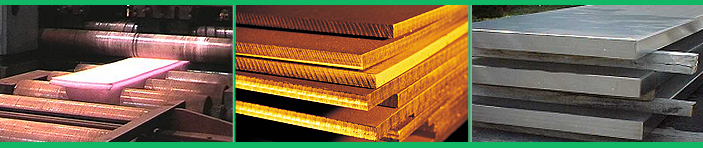
Titanium sheets offer numerous advantages that make them a preferred choice in various applications.
One of the most significant benefits of titanium sheets is their lightweight nature combined with high strength. This makes them ideal for aerospace applications, where every ounce counts. The reduced weight can lead to lower fuel consumption and increased efficiency. In addition to aerospace, this property is also advantageous in automotive and marine applications, where weight reduction can enhance performance and fuel efficiency. The ability to replace heavier materials with titanium can lead to innovative designs and improved overall functionality.
Titanium is highly resistant to corrosion, even in extreme environments. This property makes titanium sheets suitable for marine applications, chemical processing, and medical devices, where exposure to harsh substances is common. The formation of a protective oxide layer on the surface of titanium further enhances its corrosion resistance, allowing it to withstand exposure to saltwater, acids, and other corrosive agents. This characteristic not only extends the lifespan of components made from titanium sheets but also reduces maintenance costs and downtime in industrial applications.
Titanium is biocompatible, meaning it is safe for use in medical applications. Titanium sheets are often used in implants and prosthetics, as they do not cause adverse reactions in the human body. This property is crucial for medical devices that require long-term implantation, such as dental implants and orthopedic devices. The ability of titanium to integrate with bone tissue, known as osseointegration, further enhances its suitability for medical applications, making it a preferred material for surgeons and medical professionals.
Titanium sheets can withstand high temperatures without losing their structural integrity. This makes them suitable for applications in the aerospace industry, where materials are subjected to extreme heat. The ability to maintain strength and stability at elevated temperatures is essential for components such as turbine blades and exhaust systems. Additionally, titanium's low thermal expansion coefficient helps maintain dimensional stability under thermal stress, making it an ideal choice for precision components in high-temperature environments.
Titanium sheets can be easily fabricated into various shapes and sizes, allowing for customization in different applications. They can be cut, welded, and formed to meet specific requirements. This versatility extends to the ability to create complex geometries and designs that are often challenging with other materials. The adaptability of titanium sheets makes them suitable for a wide range of industries, from aerospace to architecture, where unique design elements are often required.
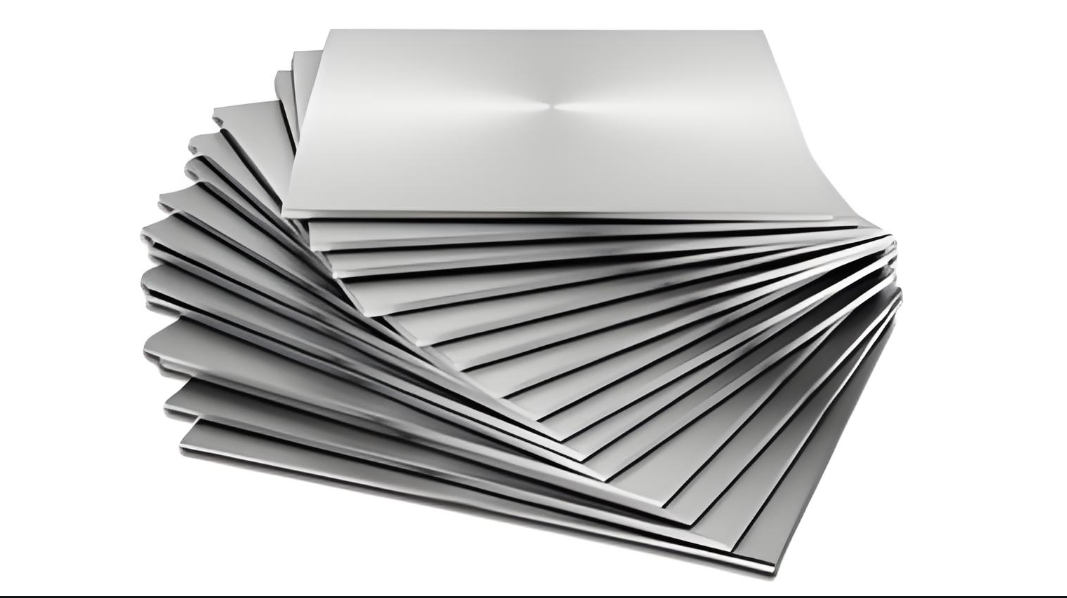
The unique properties of titanium sheets make them suitable for a wide range of applications across various industries.
In the aerospace sector, titanium sheets are used in aircraft components, including airframes, engine parts, and landing gear. Their lightweight and strong characteristics contribute to improved fuel efficiency and performance. The use of titanium in aerospace applications not only enhances the structural integrity of aircraft but also allows for innovative designs that can lead to significant weight savings. As the aerospace industry continues to evolve, the demand for titanium sheets is expected to grow, driven by the need for more efficient and environmentally friendly aircraft.
Titanium sheets are widely used in the medical field for implants, surgical instruments, and dental applications. Their biocompatibility and corrosion resistance make them ideal for long-term use in the human body. The ability to create custom implants tailored to individual patients further enhances the appeal of titanium sheets in the medical sector. As advancements in medical technology continue, the role of titanium sheets in developing new and improved medical devices is likely to expand.
Due to their excellent corrosion resistance, titanium sheets are used in marine environments for shipbuilding, offshore structures, and underwater equipment. They can withstand the harsh conditions of saltwater without degrading. The use of titanium in marine applications not only improves the longevity of components but also enhances safety and reliability in critical environments. As the demand for sustainable and durable materials in marine engineering grows, titanium sheets are becoming increasingly popular.
In chemical processing, titanium sheets are used for tanks, pipes, and heat exchangers. Their resistance to corrosion from various chemicals makes them a reliable choice for handling aggressive substances. The ability to maintain structural integrity in challenging environments reduces the risk of leaks and failures, which can have significant safety and financial implications. The growing emphasis on safety and efficiency in chemical processing is driving the adoption of titanium sheets in this sector.
The automotive industry is increasingly adopting titanium sheets for components such as exhaust systems and suspension parts. The lightweight nature of titanium helps improve fuel efficiency and performance in vehicles. As manufacturers seek to enhance the performance of their vehicles while meeting stringent emissions regulations, the use of titanium sheets is expected to rise. The potential for titanium to replace heavier materials in automotive applications presents opportunities for innovation and improved vehicle design.
While titanium sheets offer numerous benefits, there are also challenges associated with their use.
Titanium is more expensive than other metals, which can be a barrier for some applications. The high cost of raw materials and manufacturing processes can limit its use in certain industries. However, as technology advances and production methods improve, the cost of titanium sheets may decrease, making them more accessible for a wider range of applications. The long-term benefits of using titanium, such as reduced maintenance and increased durability, can often outweigh the initial investment.
Titanium sheets can be challenging to work with due to their strength and toughness. Specialized equipment and techniques are often required for cutting, welding, and forming, which can increase production costs. The need for skilled labor and advanced machinery can pose challenges for manufacturers looking to incorporate titanium sheets into their products. However, ongoing research and development in fabrication techniques are helping to address these challenges, making it easier to work with titanium.
Depending on the grade and specifications, titanium sheets may not always be readily available. This can lead to delays in production and increased lead times for projects. Manufacturers must carefully plan their supply chains to ensure they have access to the necessary materials when needed. As the demand for titanium continues to grow, efforts are being made to increase production capacity and improve the availability of titanium sheets in the market.
As technology advances, the use of titanium sheets is expected to grow in various sectors. Innovations in manufacturing processes, such as additive manufacturing (3D printing), are making it easier to produce complex shapes and components from titanium. This could lead to new applications and increased adoption in industries that require lightweight and strong materials. The ability to create custom parts on demand can significantly reduce waste and improve efficiency in production.
With a growing emphasis on sustainability, the aerospace and automotive industries are looking for materials that not only improve performance but also reduce environmental impact. Titanium's recyclability and durability make it an attractive option for sustainable practices. As industries strive to meet environmental regulations and consumer demands for greener products, the role of titanium sheets in promoting sustainability is likely to become more prominent.
Titanium sheets are a remarkable material that offers a combination of strength, lightweight, and corrosion resistance. Their applications span across various industries, including aerospace, medical, marine, and automotive. Despite some challenges, the benefits of titanium sheets make them a valuable choice for many applications. As technology continues to evolve, the future of titanium sheets looks promising, with potential for increased usage and innovation. The ongoing research into new applications and manufacturing techniques will likely expand the horizons for titanium sheets, solidifying their place as a critical material in modern engineering.
The main grades of titanium sheets include Grade 1, Grade 2, Grade 5 (Ti-6Al-4V), and Grade 23 (Ti-6Al-4V ELI). Each grade has unique properties suitable for different applications.
Titanium is preferred in the aerospace industry due to its lightweight nature, high strength, and excellent corrosion resistance, which contribute to improved fuel efficiency and performance.
Yes, titanium sheets are recyclable, making them an environmentally friendly option for various applications.
The challenges of working with titanium sheets include their high cost, fabrication difficulties, and limited availability depending on the grade and specifications.
Titanium is lighter and stronger than many other metals, including steel, and offers superior corrosion resistance, making it a preferred choice in demanding applications.


