

Views: 521 Author: Lasting Titanium Publish Time: 2024-12-11 Origin: Site


Content Menu
● Understanding Profile Titanium Button Head Bolts
>> What Makes Titanium Special?
● Applications of Profile Titanium Button Head Bolts
● Manufacturing Processes of Profile Titanium Button Head Bolts
>> Machining
● Advantages of Profile Titanium Button Head Bolts
>> Lightweight
>> Strength
>> Versatility
● Design Considerations for Profile Titanium Button Head Bolts
>> Compatibility with Other Materials
Profile titanium button head bolts are specialized fasteners that combine strength, lightweight properties, and aesthetic appeal. These bolts are increasingly popular in various industries due to their unique characteristics and advantages over traditional materials. This article explores the applications, manufacturing processes, advantages, and design considerations of profile titanium button head bolts.
Profile titanium button head bolts are fasteners characterized by their rounded, low-profile heads. This design not only enhances their aesthetic appeal but also provides practical benefits in various applications. The use of titanium, a material known for its high strength-to-weight ratio and corrosion resistance, makes these bolts particularly valuable in demanding environments. The button head design allows for a larger bearing surface, which helps distribute loads more evenly and reduces the risk of damage to the materials being fastened. This feature is especially important in applications where the integrity of the assembly is critical.
Titanium is a remarkable metal that offers several advantages over conventional materials like steel and aluminum. It is approximately 50% lighter than steel, yet it possesses comparable strength. This unique combination makes titanium an ideal choice for applications where weight reduction is critical without compromising structural integrity. Additionally, titanium is highly resistant to corrosion, making it suitable for use in harsh environments, such as marine and chemical applications. The metal's biocompatibility also allows it to be used in medical applications, where it can safely interact with biological tissues. Furthermore, titanium's ability to withstand extreme temperatures and pressures makes it a preferred choice in aerospace and high-performance automotive applications.
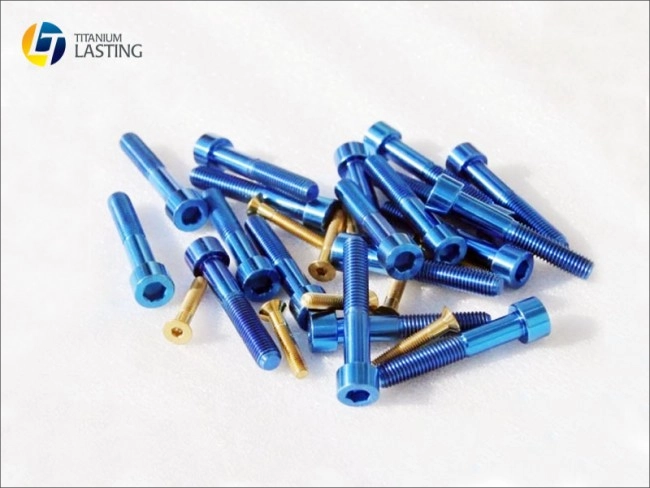
Profile titanium button head bolts find applications across a wide range of industries due to their versatility and performance characteristics. Their unique properties make them suitable for both structural and aesthetic applications, allowing engineers and designers to leverage their benefits in various contexts.
In the aerospace sector, weight savings are paramount. Profile titanium button head bolts are used in aircraft structures, engines, and components where reducing weight can lead to significant fuel savings and improved performance. Their corrosion resistance also ensures longevity in the challenging conditions faced during flight. The aerospace industry demands fasteners that can withstand extreme conditions, including high altitudes and varying temperatures. Titanium bolts meet these requirements, providing reliability and safety in critical applications such as wing assemblies and engine mounts.
The automotive industry utilizes these bolts in high-performance vehicles, where both weight and strength are critical. Titanium bolts are often found in engine components, suspension systems, and bodywork, contributing to overall vehicle performance and efficiency. The use of titanium in automotive applications not only enhances performance but also improves fuel efficiency by reducing the overall weight of the vehicle. Additionally, the aesthetic appeal of titanium bolts makes them a popular choice for custom and high-end vehicles, where appearance is as important as functionality.
In the medical field, titanium's biocompatibility makes it an excellent choice for surgical implants and devices. Profile titanium button head bolts are used in various medical applications, ensuring that devices are both strong and safe for human use. The use of titanium in medical devices is particularly important in orthopedic applications, where implants must withstand significant loads while remaining inert in the body. The corrosion resistance of titanium also ensures that implants maintain their integrity over time, reducing the risk of complications.
High-end sports equipment, such as bicycles and racing gear, often incorporates titanium fasteners. The lightweight nature of titanium helps athletes achieve better performance without adding unnecessary weight to their gear. In competitive sports, every gram counts, and the use of titanium bolts can provide a significant advantage. Additionally, the durability and strength of titanium ensure that equipment can withstand the rigors of intense use, making it a preferred choice for professional athletes and enthusiasts alike.
Due to their resistance to saltwater corrosion, profile titanium button head bolts are ideal for marine applications. They are commonly used in boat fittings, hardware, and other components exposed to harsh marine environments. The longevity of titanium fasteners in marine settings reduces maintenance costs and enhances the reliability of marine equipment. Furthermore, the lightweight nature of titanium is beneficial in boating applications, where reducing weight can improve speed and fuel efficiency.
The manufacturing of profile titanium button head bolts involves several key processes to ensure precision and quality. Each step in the manufacturing process is critical to producing high-quality fasteners that meet the stringent requirements of various industries.
The first step in manufacturing these bolts is selecting the appropriate titanium alloy. Grade 5 titanium (Ti-6Al-4V) is commonly used due to its excellent mechanical properties and weldability. This alloy is ideal for applications requiring high strength and corrosion resistance. The selection of the right alloy is crucial, as different grades of titanium offer varying properties that can affect the performance of the final product. Engineers must consider factors such as tensile strength, fatigue resistance, and corrosion resistance when choosing the appropriate material.
Once the material is selected, the titanium is machined into the desired shape. This process involves cutting, drilling, and shaping the titanium to create the button head and threaded shaft. Precision machining is crucial to ensure that the bolts meet strict tolerances and specifications. Advanced machining techniques, such as CNC (computer numerical control) machining, are often employed to achieve the high levels of precision required for aerospace and medical applications. The machining process must also account for the unique properties of titanium, which can be more challenging to work with than other metals due to its strength and tendency to work-harden.
To enhance the performance and appearance of the bolts, various surface treatments can be applied. Anodizing, for example, can improve corrosion resistance and provide a range of color options. Other treatments, such as DLC (diamond-like carbon) coating, can further enhance wear resistance and reduce friction. Surface treatments not only improve the functional properties of the bolts but also allow for customization in terms of aesthetics. This is particularly important in applications where the visual appeal of the fasteners is a consideration, such as in high-end automotive and consumer products.
Quality control is a critical aspect of the manufacturing process. Each batch of profile titanium button head bolts undergoes rigorous testing to ensure they meet industry standards and specifications. This includes tensile strength tests, corrosion resistance evaluations, and dimensional inspections. Quality control measures help to identify any defects or inconsistencies in the manufacturing process, ensuring that only the highest quality products reach the market. Additionally, certifications from recognized industry standards organizations can enhance the credibility and reliability of the fasteners.
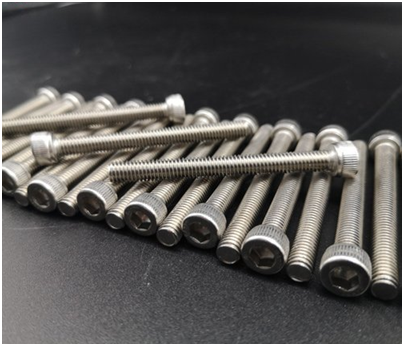
The use of profile titanium button head bolts offers numerous advantages over traditional fasteners. These benefits make them an attractive choice for engineers and designers looking to enhance the performance and reliability of their products.
One of the most significant benefits of titanium bolts is their lightweight nature. This characteristic is particularly advantageous in industries where weight reduction is essential, such as aerospace and automotive. The reduction in weight can lead to improved fuel efficiency and performance, making titanium bolts a preferred choice for high-performance applications. Additionally, the lightweight nature of titanium can contribute to overall design flexibility, allowing for more innovative and efficient product designs.
Titanium's natural resistance to corrosion makes these bolts suitable for use in harsh environments. They do not rust or degrade over time, ensuring long-lasting performance and reliability. This property is especially important in applications exposed to moisture, chemicals, or extreme temperatures. The corrosion resistance of titanium also reduces the need for frequent maintenance and replacement, leading to cost savings over the life of the product.
Despite being lightweight, titanium bolts maintain high strength levels. This strength allows them to withstand significant loads and stresses, making them ideal for critical applications. The high strength-to-weight ratio of titanium means that engineers can design lighter structures without sacrificing safety or performance. This is particularly important in industries such as aerospace, where the integrity of components is crucial for safety.
The sleek design of profile titanium button head bolts adds an aesthetic element to products. Their polished finish and availability in various colors make them a popular choice for high-end applications where appearance matters. The aesthetic appeal of titanium bolts can enhance the overall look of a product, making them suitable for consumer goods and luxury items. Additionally, the ability to customize the appearance of titanium fasteners through surface treatments allows designers to create unique and visually striking products.
Profile titanium button head bolts can be used in a wide range of applications, from aerospace to medical devices. Their versatility makes them a valuable addition to any engineer's toolkit. The ability to use titanium bolts in various environments and applications reduces the need for multiple types of fasteners, streamlining the design and manufacturing process. This versatility also allows for greater innovation in product design, as engineers can explore new applications for titanium fasteners.
When designing with profile titanium button head bolts, several factors should be considered to ensure optimal performance. Understanding these considerations can help engineers and designers make informed decisions when selecting fasteners for their projects.
Understanding the load requirements of the application is crucial. Engineers must calculate the expected loads and stresses to select the appropriate size and grade of titanium bolt. This involves considering factors such as dynamic loads, static loads, and environmental conditions that may affect the performance of the fasteners. Proper load calculations ensure that the selected bolts can safely and effectively support the intended application.
The environment in which the bolts will be used plays a significant role in material selection. For instance, applications in marine environments may require additional corrosion-resistant coatings. Engineers must assess the potential exposure to chemicals, moisture, and temperature fluctuations to determine the most suitable materials and treatments for the application. Understanding the environmental conditions can help prevent premature failure and extend the lifespan of the fasteners.
For applications where appearance is important, designers should consider the finish and color of the titanium bolts. Anodizing and other surface treatments can enhance the visual appeal of the fasteners. The aesthetic preferences of the target market can influence the design choices made by engineers, particularly in consumer products where visual appeal is a key selling point. Customizing the appearance of titanium bolts can also help differentiate products in a competitive market.
When using titanium bolts with other materials, compatibility must be considered to prevent galvanic corrosion. Proper material selection and surface treatments can mitigate these risks. Engineers should evaluate the materials being fastened together and consider factors such as electrical conductivity and chemical reactivity. Ensuring compatibility can enhance the overall performance and longevity of the assembly.
Profile titanium button head bolts are an essential component in various industries, offering a unique combination of strength, lightweight properties, and aesthetic appeal. Their applications range from aerospace to medical devices, showcasing their versatility and performance. Understanding the manufacturing processes, advantages, and design considerations associated with these bolts can help engineers and designers make informed decisions when selecting fasteners for their projects. As industries continue to evolve and demand higher performance materials, the importance of profile titanium button head bolts will only grow.
What are profile titanium button head bolts used for? Profile titanium button head bolts are used in various applications, including aerospace, automotive, medical devices, sports equipment, and marine applications, due to their strength and lightweight properties.
What are the advantages of using titanium bolts over steel? Titanium bolts are lighter than steel, offer superior corrosion resistance, and maintain high strength levels, making them ideal for applications where weight reduction is critical.
How are profile titanium button head bolts manufactured? These bolts are manufactured through a process that includes material selection, precision machining, surface treatment, and rigorous quality control to ensure they meet industry standards.
Can titanium bolts be used in marine environments? Yes, titanium bolts are highly resistant to corrosion, making them suitable for use in marine environments where exposure to saltwater can degrade other materials.
What design considerations should be taken into account when using titanium bolts? Design considerations include load requirements, environmental conditions, aesthetic preferences, and compatibility with other materials to ensure optimal performance and longevity.


